






Herbs are essential ingredients in kitchens around the world. They add aroma, flavor, color, and even health benefits to our meals. But when it comes to choosing between fresh and dry herbs, many home cooks feel confused. Should you use fresh basil or dried basil? Is dried oregano as good as fresh oregano? Understanding the differences between fresh and dry herbs can help you make better cooking decisions and elevate your dishes.
In this blog, we’ll explore what sets fresh and dry herbs apart, how they affect flavor, and when to use each one.
What Are Fresh Herbs?
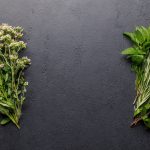
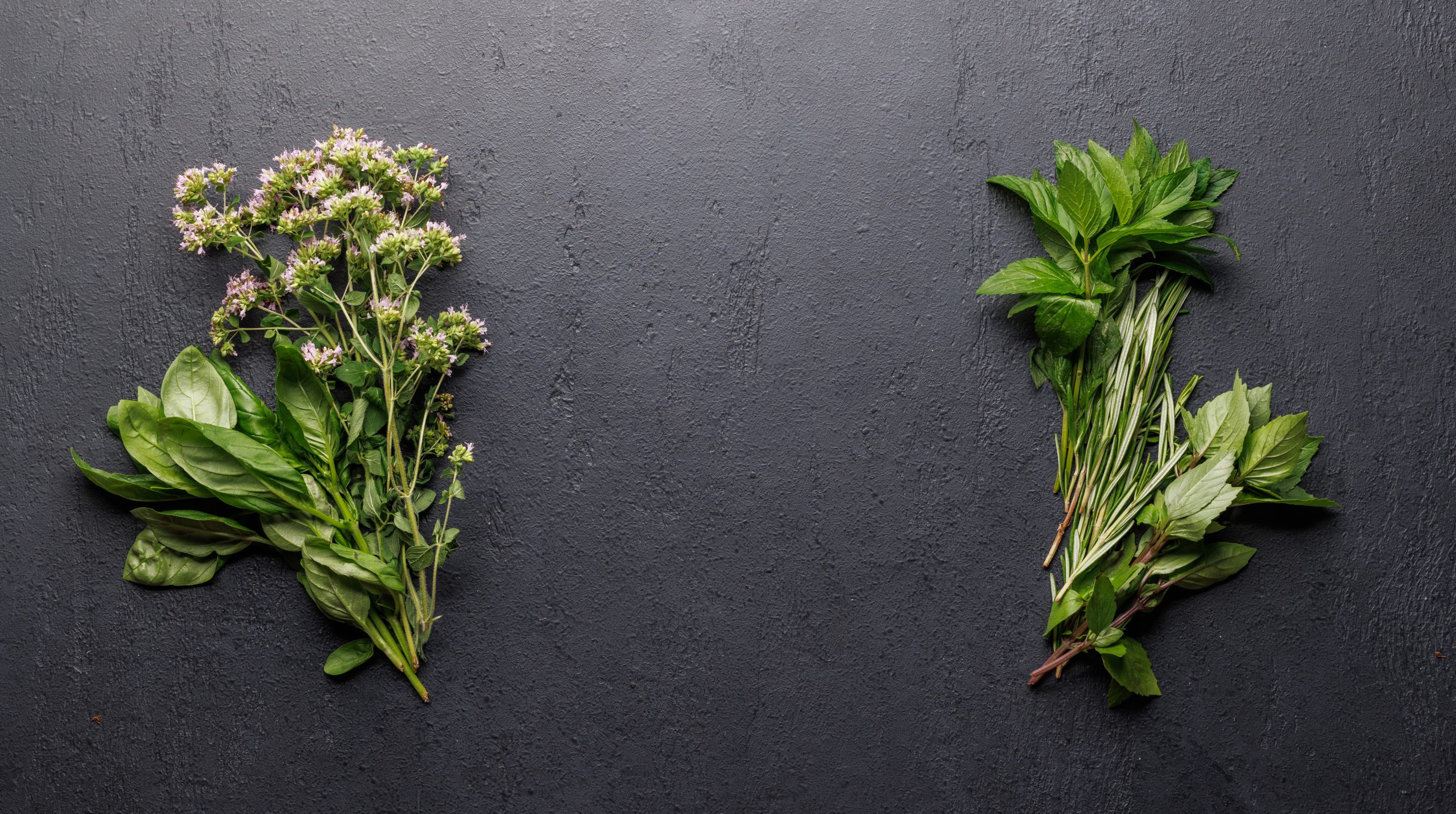
Fresh herbs are the leafy green parts of plants that are used shortly after harvesting. Common examples include basil, cilantro, parsley, mint, thyme, rosemary, and dill. They are usually sold in bunches or small packets in the produce section of grocery stores.
Fresh herbs are known for their bright color, soft texture, and vibrant aroma. When you chop fresh herbs, they release essential oils that give dishes a lively and refreshing flavor. Because they contain moisture, fresh herbs tend to have a lighter and more delicate taste compared to dried herbs.
What Are Dry Herbs?
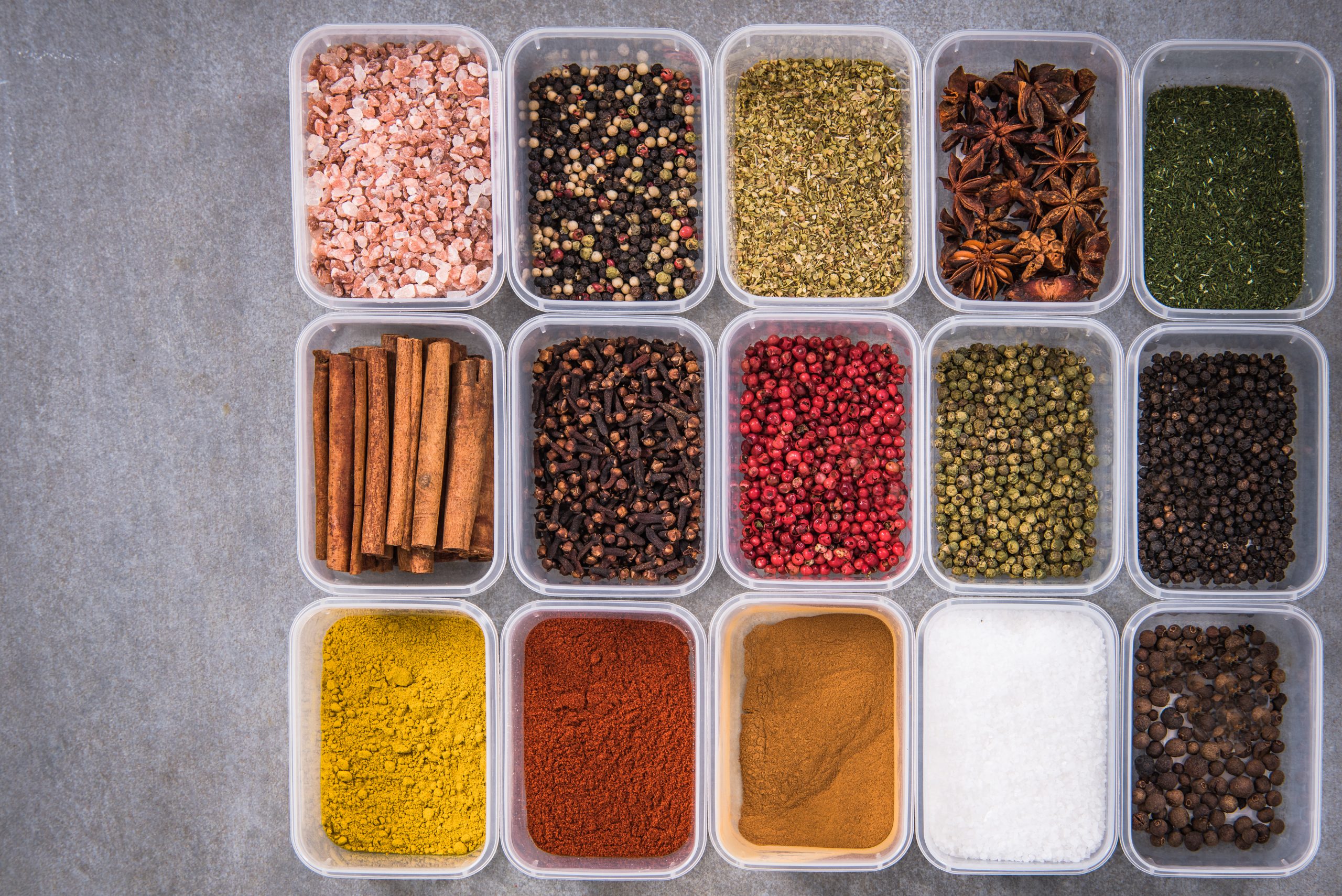
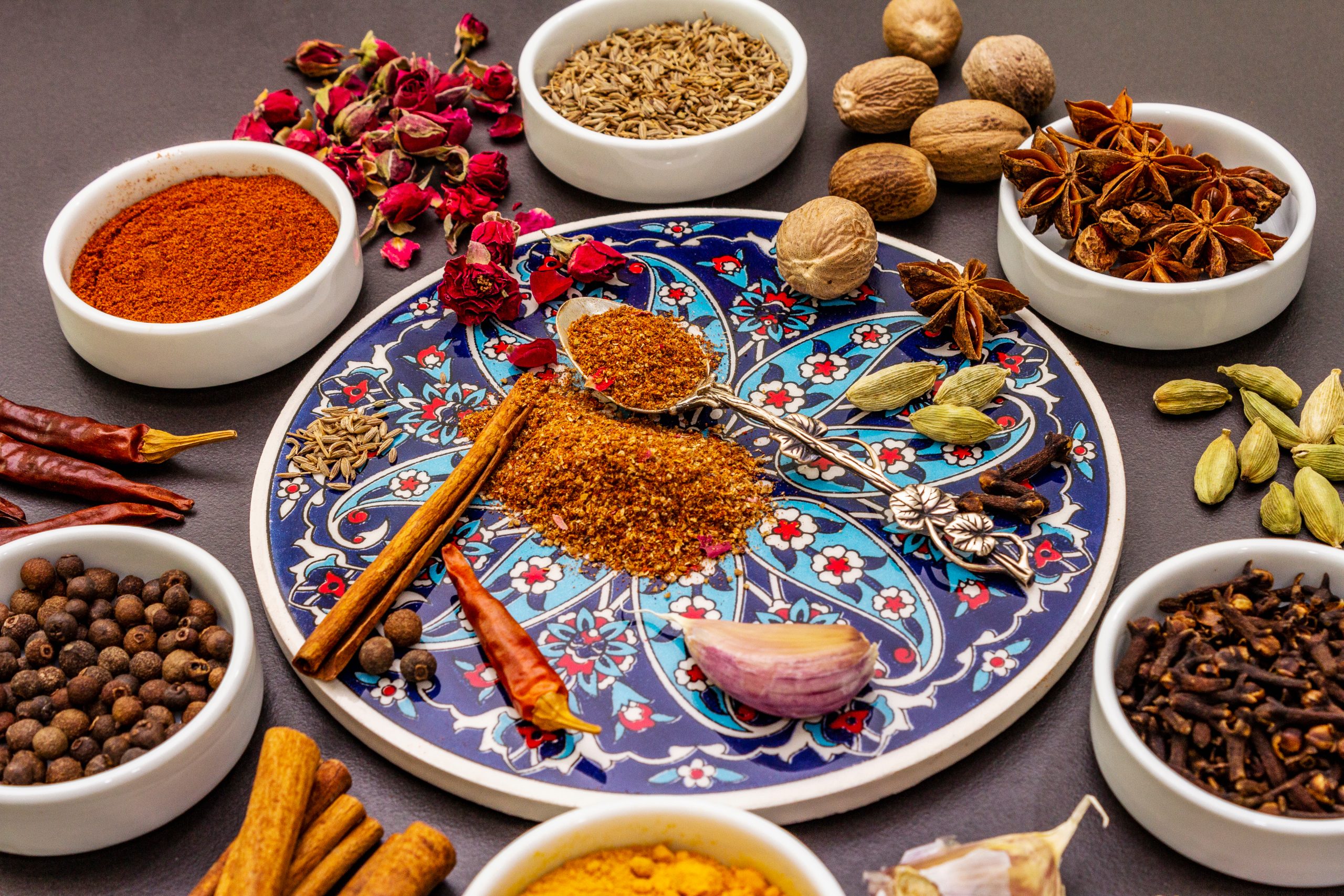
Dry herbs are fresh herbs that have been dehydrated to remove their moisture. This drying process concentrates their flavors, making them stronger and more intense. Dried herbs are typically sold in jars or packets and have a long shelf life.
Common dried herbs include oregano, thyme, rosemary, basil, bay leaves, and sage. Since the moisture is removed, dried herbs are more potent by volume. This means you need to use less dried herb compared to fresh herb in a recipe.
Flavor Differences
One of the biggest differences between fresh and dry herbs is flavor intensity and profile.
Fresh herbs have a bright, clean, and sometimes slightly sweet taste. They are perfect for adding freshness to salads, soups, pasta, and garnishes. For example, fresh basil adds a light and aromatic touch to tomato dishes, while fresh cilantro enhances salsas and curries with a crisp flavor.
Dried herbs, on the other hand, have a deeper, earthier, and more concentrated flavor. Because the drying process reduces water content, the essential oils become more intense. Dried oregano in pasta sauce or dried thyme in stews provides a rich and lasting herbal taste that blends well during long cooking times.
Texture and Appearance
Fresh herbs are soft and leafy. They add not only flavor but also visual appeal to dishes. A sprinkle of chopped parsley or mint can make a dish look vibrant and appetizing.
Dried herbs are brittle and often crushed or powdered. They do not add visual freshness but instead blend into the dish. Because of their texture, dried herbs are less suitable as garnishes.
When to Use Fresh Herbs
Fresh herbs are best used in dishes that cook quickly or are served raw. They work wonderfully in:
-
Salads
-
Sandwiches and wraps
-
Smoothies
-
Light soups
-
Pasta dishes
-
Garnishes
Fresh herbs are often added at the end of cooking to preserve their flavor and aroma. Heat can quickly reduce their delicate taste, so adding them just before serving keeps them vibrant.
When to Use Dry Herbs
Dried herbs are ideal for dishes that require longer cooking times. They work well in:
-
Stews
-
Curries
-
Sauces
-
Roasted vegetables
-
Marinades
-
Slow-cooked meats
Since dried herbs need time to rehydrate and release their flavor, it’s best to add them early in the cooking process. This allows their concentrated taste to fully infuse the dish.
Conversion: Fresh vs Dry
A common question is how to substitute one for the other. A simple rule of thumb is:
1 tablespoon fresh herbs = 1 teaspoon dried herbs
Because dried herbs are more concentrated, you use about one-third the amount compared to fresh. However, taste preferences vary, so adjust as needed.
Shelf Life and Storage
Fresh herbs are perishable and usually last only a few days to a week when stored properly in the refrigerator. Some, like cilantro and parsley, can be kept fresh longer by placing their stems in water and covering them loosely with a plastic bag.
Dried herbs have a much longer shelf life—typically 6 months to 1 year. To maintain their flavor, store them in airtight containers away from heat, light, and moisture. Over time, dried herbs lose potency, so it’s important to check their aroma before use.
Nutritional Value
Both fresh and dried herbs contain antioxidants, vitamins, and minerals. However, because dried herbs are concentrated, they may contain higher levels of certain nutrients per teaspoon. Fresh herbs, on the other hand, may retain some heat-sensitive nutrients that can be lost during the drying process.
In everyday cooking, herbs are used in small quantities, so the nutritional difference is usually minor. Their main role is enhancing flavor, which can encourage healthier eating by reducing the need for excess salt or fat.
Final Thoughts
Fresh and dry herbs each have their place in the kitchen. Fresh herbs offer brightness, color, and a delicate aroma, making them perfect for finishing dishes and quick recipes. Dried herbs provide depth, intensity, and convenience, especially in slow-cooked meals.
Rather than choosing one over the other, the best approach is to understand how they work and use them wisely. By knowing when and how to use fresh and dry herbs, you can enhance the flavor of your meals and become a more confident cook.