



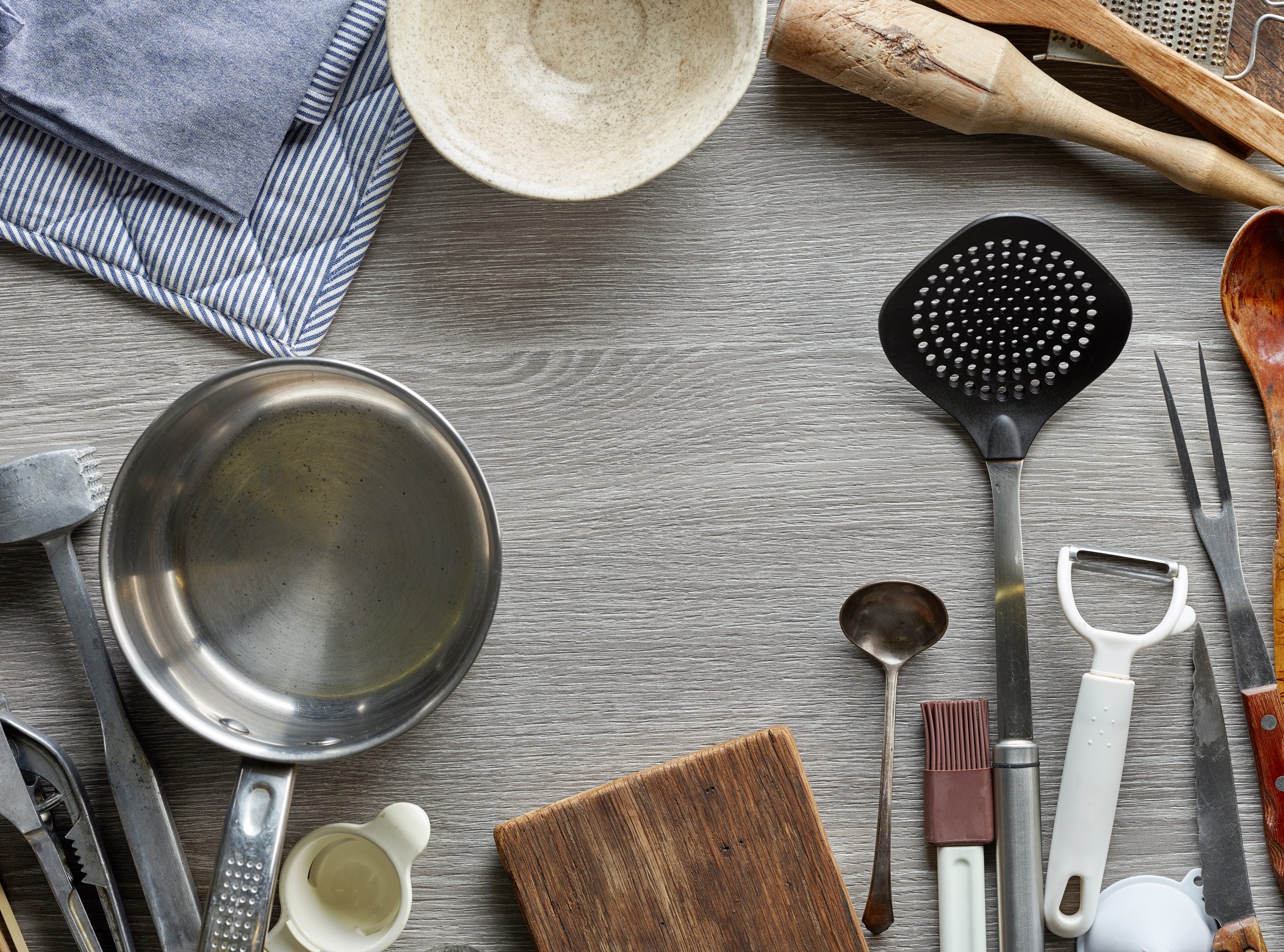
Starting your cooking journey can feel overwhelming, especially when you see long lists of kitchen gadgets and professional tools. The truth is, you don’t need a fully stocked chef’s kitchen to cook great meals. With a few essential, beginner-friendly tools, you can prepare a wide variety of dishes comfortably and confidently.
This guide will walk you through the must-have cooking equipment every beginner should own — without unnecessary extras.
1. A Good Chef’s Knife
If there’s one tool you shouldn’t compromise on, it’s a quality chef’s knife. Almost every recipe starts with chopping, slicing, or dicing ingredients. A sharp, well-balanced knife makes prep work faster and safer.
You don’t need a full knife set. Start with:
-
One chef’s knife (8 inches is ideal)
-
One small paring knife for peeling and small tasks
Keep your knife sharp and always use it with a cutting board.
2. Cutting Boards
A sturdy cutting board protects your countertops and keeps food prep hygienic.
For beginners:
-
One large cutting board for vegetables and fruits
-
One separate board for raw meat (preferably plastic for easy cleaning)
Wood or bamboo boards are durable and gentle on knives. Make sure the board doesn’t slip while cutting.
3. Basic Cookware (Pots and Pans)
You don’t need ten different pans. A few versatile pieces will cover most beginner recipes.
Start with:
-
A nonstick skillet (for eggs, pancakes, sautéing)
-
A medium saucepan (for pasta, rice, soups, sauces)
-
A large pot or stockpot (for boiling and larger meals)
Choose heavy-bottomed cookware for even heating. Quality matters more than quantity.
4. Mixing Bowls
Mixing bowls are essential for prep work. You’ll use them for marinating, mixing ingredients, tossing salads, and more.
Look for:
-
A set of 3 different sizes
-
Stainless steel or glass options
They’re affordable and incredibly versatile in everyday cooking.
5. Measuring Cups and Spoons
Accurate measurements help beginners follow recipes correctly, especially when baking.
You’ll need:
-
Dry measuring cups
-
Liquid measuring cup with clear markings
-
Measuring spoons
Even experienced cooks rely on these tools to ensure consistency.
6. Essential Kitchen Utensils
A few simple utensils make cooking easier and safer.
Must-have items:
-
Wooden spoon (safe for all cookware)
-
Silicone spatula (for mixing and scraping)
-
Slotted spoon
-
Tongs (great for flipping food)
-
Whisk (for eggs and sauces)
-
Ladle (for soups)
These tools are inexpensive but extremely useful in daily cooking.
7. Colander and Strainer
A colander is essential for draining pasta, washing vegetables, and rinsing rice. A fine mesh strainer is helpful for sifting flour or straining sauces.
These tools simplify prep work and improve cooking results.
8. Baking Sheet or Tray
Even if you’re not a baker, a baking sheet is extremely useful. You can use it for:
-
Roasting vegetables
-
Baking chicken
-
Toasting nuts
-
Making cookies
Choose a sturdy, non-warping tray for best results.
9. Can Opener and Peeler
These small tools often get overlooked but are essential in beginner kitchens.
-
A reliable can opener saves time.
-
A vegetable peeler makes prepping potatoes, carrots, and fruits easier and safer than using a knife.
Simple tools, big impact.
10. Food Storage Containers
Cooking often means leftovers. Good storage containers help keep food fresh and organized.
Look for:
-
Airtight containers
-
Microwave-safe options
-
Stackable designs for easy storage
Glass containers are durable and don’t absorb odors.
11. Oven Mitts and Kitchen Towels
Safety is important. Always keep:
-
Heat-resistant oven mitts
-
Clean kitchen towels
They protect you from burns and help keep your kitchen clean and organized.
12. Instant-Read Thermometer (Optional but Recommended)
For beginners, a food thermometer removes guesswork when cooking meat or baking.
It ensures:
-
Chicken is cooked safely
-
Steak reaches your desired doneness
-
Baked goods are properly cooked
This small investment can greatly improve your confidence in the kitchen.
13. Blender (Optional Starter Appliance)
If your budget allows, a basic blender is useful for smoothies, soups, sauces, and shakes. However, it’s not mandatory for beginners.
Start with essentials first, then expand your tools as your skills grow.
Tips for Beginners
-
Don’t buy everything at once. Start small and add tools as needed.
-
Choose quality over quantity.
-
Keep your kitchen organized for efficiency.
-
Learn to care for your tools (proper cleaning and storage).
Remember, good cooking depends more on technique than expensive equipment.
Final Thoughts
Beginning your cooking journey doesn’t require a professional setup. With a sharp knife, a few pots and pans, measuring tools, and basic utensils, you can prepare hundreds of delicious meals.
Focus on versatile, reliable equipment that supports your learning. As your confidence grows, you can gradually expand your kitchen collection. The right beginner-friendly tools make cooking less intimidating and more enjoyable — helping you build skills, experiment with recipes, and create meals you’re proud to serve.