



Cooking at home is not just a necessity—it’s a life skill that brings joy, creativity, and independence. For beginners, stepping into the kitchen can feel intimidating, but learning basic cooking skills sets the foundation for delicious, consistent, and satisfying meals. By mastering essential techniques, you can confidently prepare dishes, save time, and even impress friends and family.
In this blog, we’ll cover key cooking skills every beginner should know, practical tips for mastering them, and why they are important for building culinary confidence.
1. Knife Skills
One of the first and most important skills in the kitchen is proper knife handling.
-
Chopping, slicing, and dicing: Learn to cut vegetables, fruits, and proteins uniformly for even cooking.
-
Safe handling: Always use a sharp knife and a stable cutting board to prevent accidents.
-
Techniques to practice: Julienne, chiffonade, and mincing herbs.
Mastering knife skills improves efficiency, presentation, and safety, and reduces cooking time.
2. Understanding Ingredients
Knowing your ingredients is crucial. Beginners should learn:
-
How to identify fresh produce, meats, and spices.
-
How different cooking methods affect ingredients (e.g., boiling, roasting, sautéing).
-
How to store ingredients properly to maintain freshness.
Understanding ingredients allows you to choose the best flavors, textures, and cooking methods, making your dishes more flavorful and enjoyable.
3. Proper Seasoning
Seasoning is the heart of flavor. Beginners should focus on:
-
Using salt, pepper, and herbs effectively.
-
Layering flavors by adding seasoning at different stages.
-
Balancing tastes: salty, sweet, sour, bitter, and umami.
Well-seasoned dishes can transform simple ingredients into delicious meals, while over- or under-seasoning can ruin a dish.
4. Cooking Techniques
Learning basic cooking techniques is essential for every beginner:
-
Sautéing: Quick cooking in a little oil for vegetables, meat, and sauces.
-
Boiling and steaming: Great for pasta, rice, and vegetables.
-
Roasting and baking: Perfect for meats, vegetables, and baked goods.
-
Simmering: Slow cooking to develop deep flavors in soups, stews, and sauces.
Practicing these techniques ensures even cooking, proper texture, and rich flavors.
5. Timing and Temperature Control
Understanding how heat and timing affect food is crucial:
-
Low, medium, and high heat: Different foods require different heat levels for the perfect texture.
-
Cooking times: Learn approximate times for proteins, grains, and vegetables.
-
Resting meat: Let cooked meat rest to retain juices and flavor.
Control over heat and timing ensures perfectly cooked meals without overcooking or undercooking.
6. Measuring Ingredients
Precision is especially important in baking:
-
Use measuring cups, spoons, or a kitchen scale for accuracy.
-
Learn the difference between liquid and dry measurements.
-
Proper measurement ensures consistent results and prevents mistakes.
Even a beginner can bake or cook like a pro with accurate measurements.
7. Reading and Following Recipes
Recipes are your guide, and understanding them is a valuable skill:
-
Read the entire recipe before starting.
-
Understand cooking terms like fold, simmer, blanch, or sear.
-
Adjust portions or ingredients while keeping balance and technique in mind.
Following recipes helps beginners build confidence and learn techniques step by step.
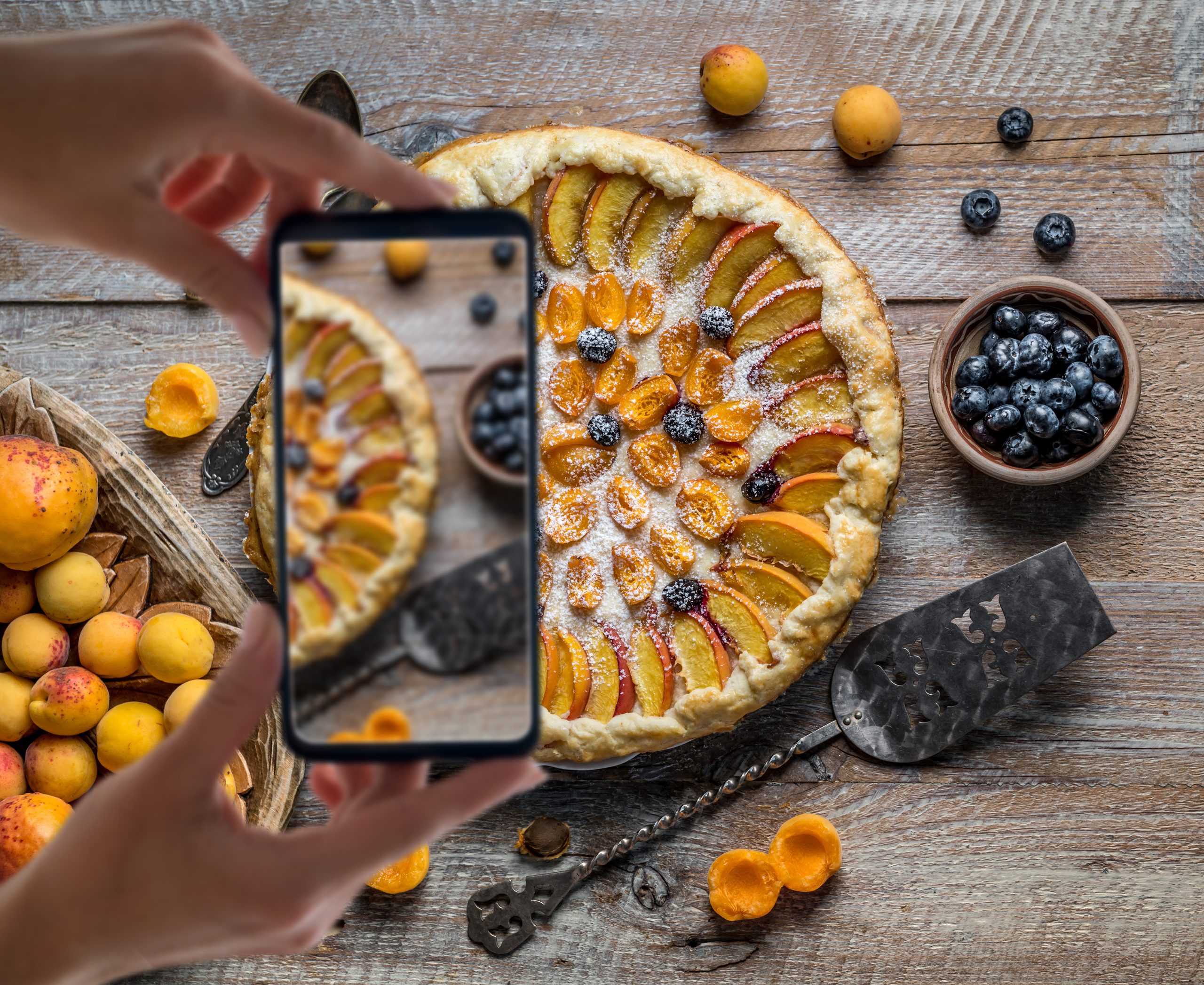
8. Plating and Presentation
Presentation makes food more enjoyable. Beginners should practice:
-
Arranging food neatly on the plate.
-
Using color contrast with vegetables and garnishes.
-
Adding finishing touches like herbs, sauces, or a sprinkle of spices.
Good presentation enhances appetite appeal and dining experience.
9. Kitchen Safety and Cleanliness
Safety and hygiene are essential:
-
Wash hands and sanitize surfaces.
-
Handle knives and hot cookware carefully.
-
Store food properly to prevent spoilage.
A clean and safe kitchen prevents accidents and ensures healthy, safe meals.
Final Thoughts
Mastering essential cooking skills is the key to building confidence and enjoying the process of home cooking. From knife skills and seasoning to cooking techniques, temperature control, and presentation, each skill contributes to better meals, less stress, and more creativity in the kitchen.
Beginners who focus on these core skills can gradually experiment, customize recipes, and even develop their signature dishes. Cooking is not just about following recipes—it’s about understanding ingredients, techniques, and flavors to create meals that are both satisfying and enjoyable.
With practice, patience, and curiosity, anyone can become a confident home cook, capable of turning simple ingredients into delicious, memorable meals.