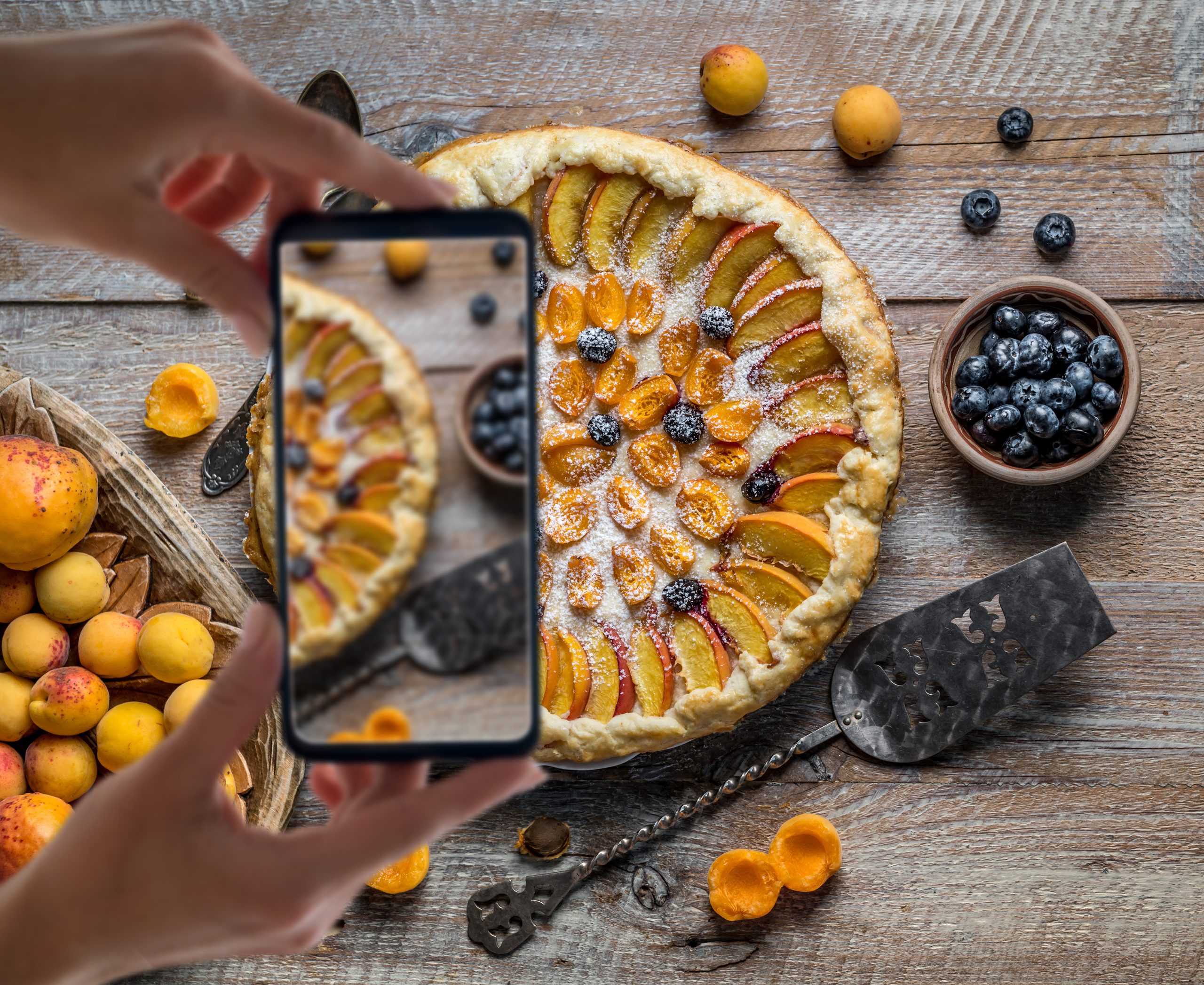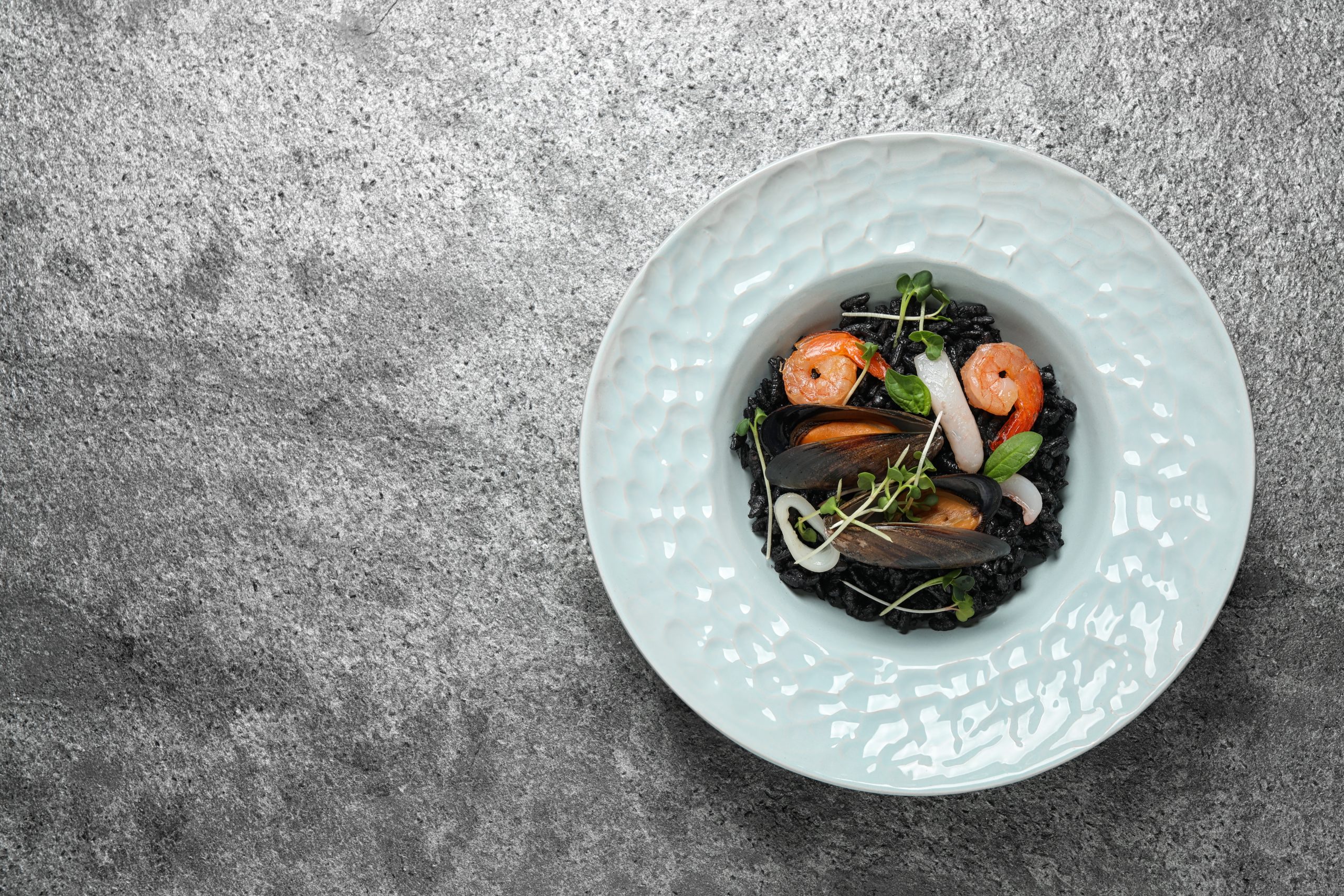



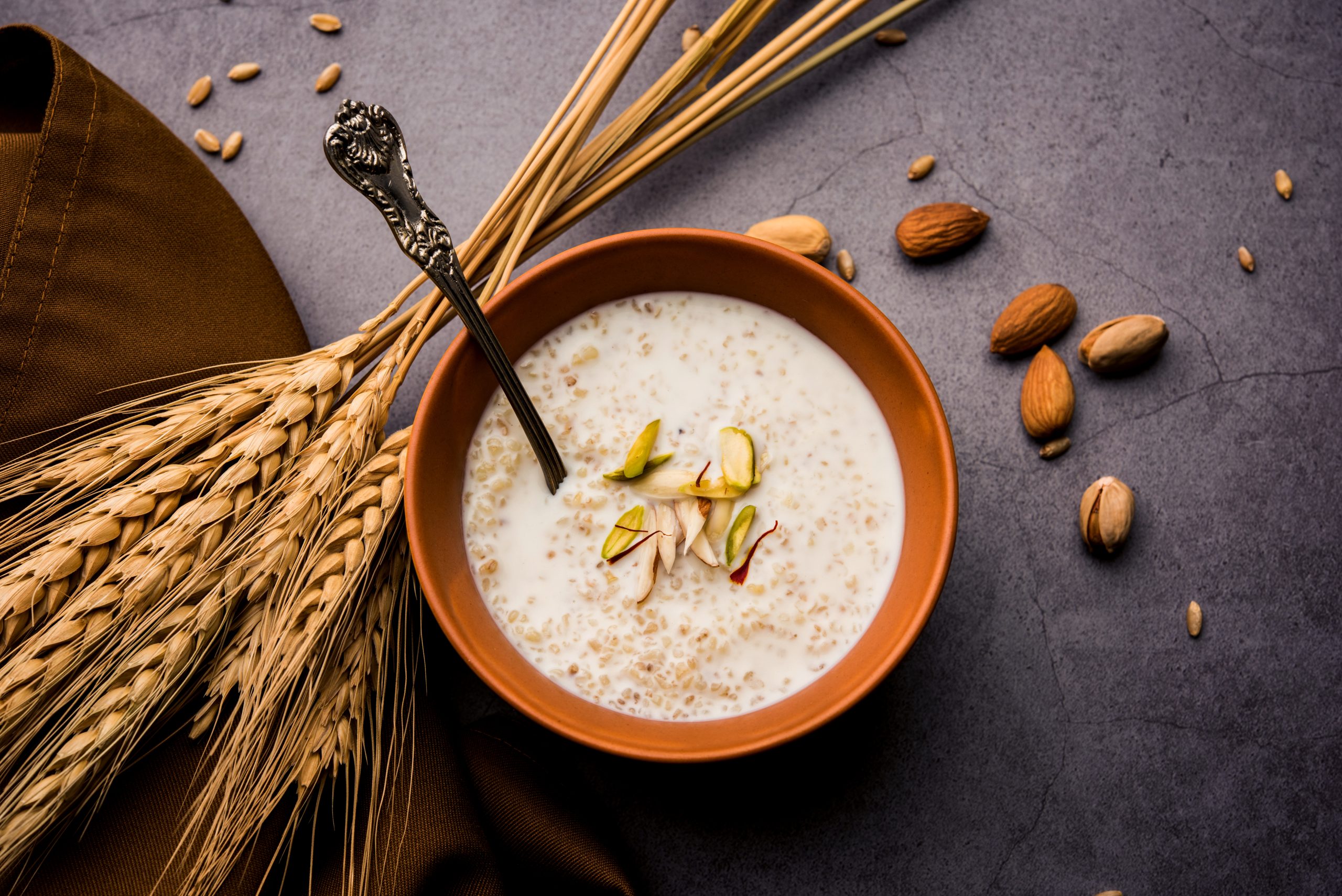

Garnishing is the final touch that turns a simple meal into something visually impressive. While professional chefs often use advanced techniques, home cooks can achieve beautiful results with easy and practical methods. Garnishing is not about adding random decorations — it’s about enhancing flavor, adding color, and creating a balanced, appetizing presentation.
If you want your dishes to look more refined and restaurant-style, here are simple garnishing techniques you can start using today.
1. Use Fresh Herbs the Right Way
Fresh herbs are one of the easiest and most effective garnishes.
Popular options include:
-
Parsley
-
Basil
-
Cilantro
-
Mint
-
Dill
Instead of sprinkling chopped herbs randomly, try placing small herb sprigs neatly on top of the dish. For soups and pasta, finely chop herbs and sprinkle lightly just before serving.
Tip: Always add fresh herbs at the end. Heat can dull their color and flavor.
2. Add Color Contrast
A good garnish adds visual contrast. If your dish is mostly brown or beige, it can look flat. Adding bright colors makes it more attractive.
Examples:
-
Red chili flakes on creamy pasta
-
Pomegranate seeds on salads
-
Cherry tomatoes with grilled chicken
-
Lemon wedges with seafood
Think about color balance. A pop of green, red, or yellow can instantly make food look more vibrant.
3. Citrus Zest for Freshness
Citrus zest is a professional yet simple garnish. A light sprinkle of lemon, lime, or orange zest adds both aroma and color.
Use it on:
-
Pasta dishes
-
Grilled vegetables
-
Fish
-
Desserts
-
Cakes
Use a fine grater or zester, and only grate the outer peel — avoid the bitter white part.
4. Sauce Drizzles and Patterns
Sauce garnishing adds elegance and creativity.
Instead of pouring sauce over everything, try:
-
A thin drizzle across the plate
-
A spoon “swoosh” for a modern look
-
Small dots placed around the dish
-
A light zigzag pattern
You can use a spoon or a squeeze bottle for better control. Keep it simple — clean lines look more professional.
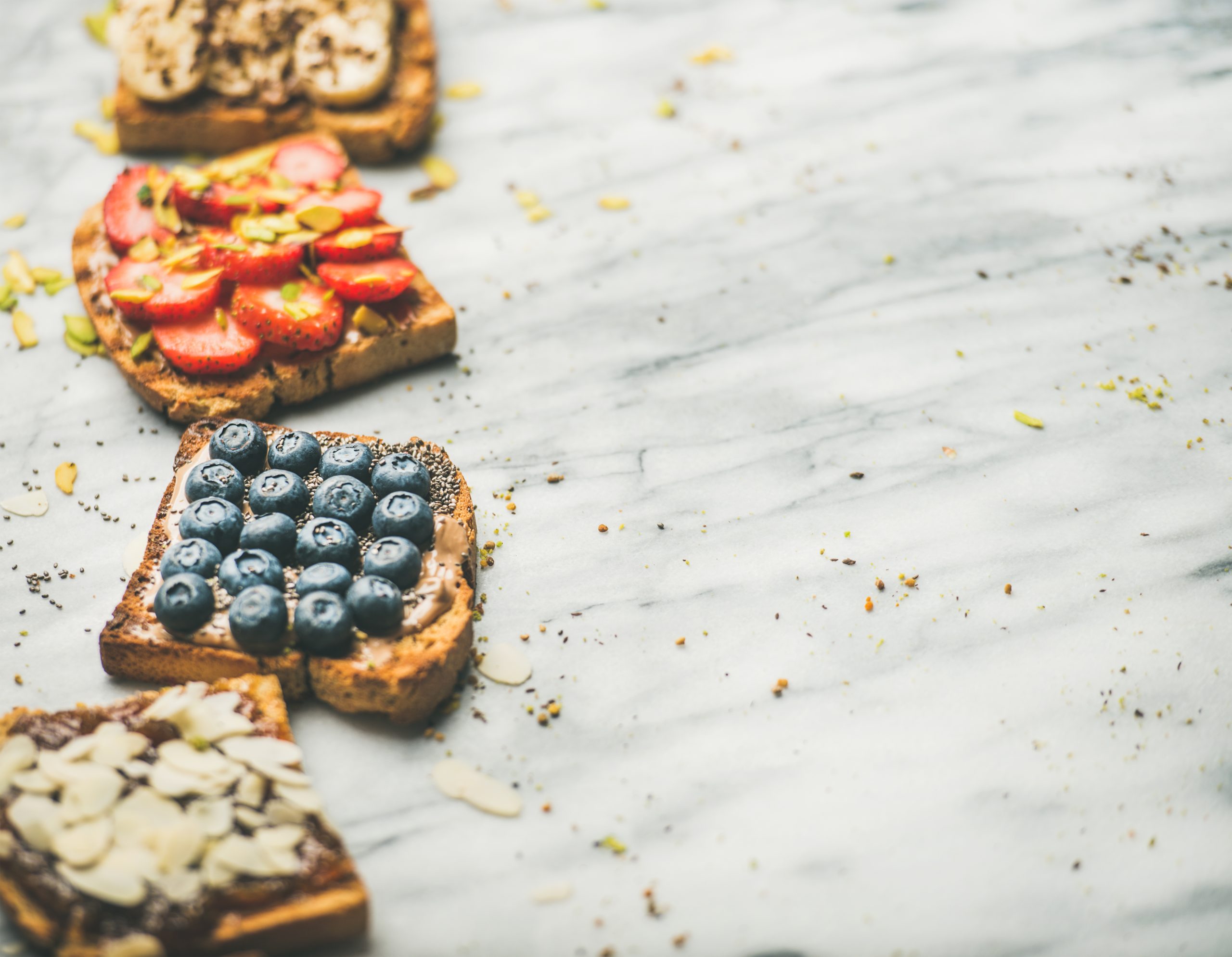
5. Crunchy Toppings for Texture
Texture makes food visually interesting. Adding a crunchy garnish creates both visual and flavor contrast.
Try:
-
Toasted nuts
-
Fried onions
-
Croutons
-
Seeds (sesame, pumpkin, sunflower)
-
Crispy breadcrumbs
For example, sprinkle toasted almonds over sautéed vegetables or add crushed nuts on desserts. It enhances both taste and presentation.
6. Use Edible Flowers (Occasionally)
Edible flowers can elevate dishes for special occasions.
Examples:
-
Pansies
-
Nasturtiums
-
Marigold petals
Use them sparingly. One or two flowers are enough to create an elegant look. Always make sure they are food-safe and properly washed.
7. Master the Art of Slicing
Neatly sliced ingredients can act as garnishes themselves.
Ideas:
-
Thin cucumber ribbons for salads
-
Radish slices for soups
-
Avocado fans for toast
-
Thinly sliced chilies for stir-fries
Uniform slicing creates a clean and professional appearance. Use a sharp knife for precision.
8. Garnish with Oils and Finishing Touches
A light drizzle of flavored oil can enhance both shine and flavor.
Options include:
-
Olive oil
-
Chili oil
-
Garlic-infused oil
-
Herb oil
A few drops on soups, grilled meats, or roasted vegetables add richness and a glossy finish.
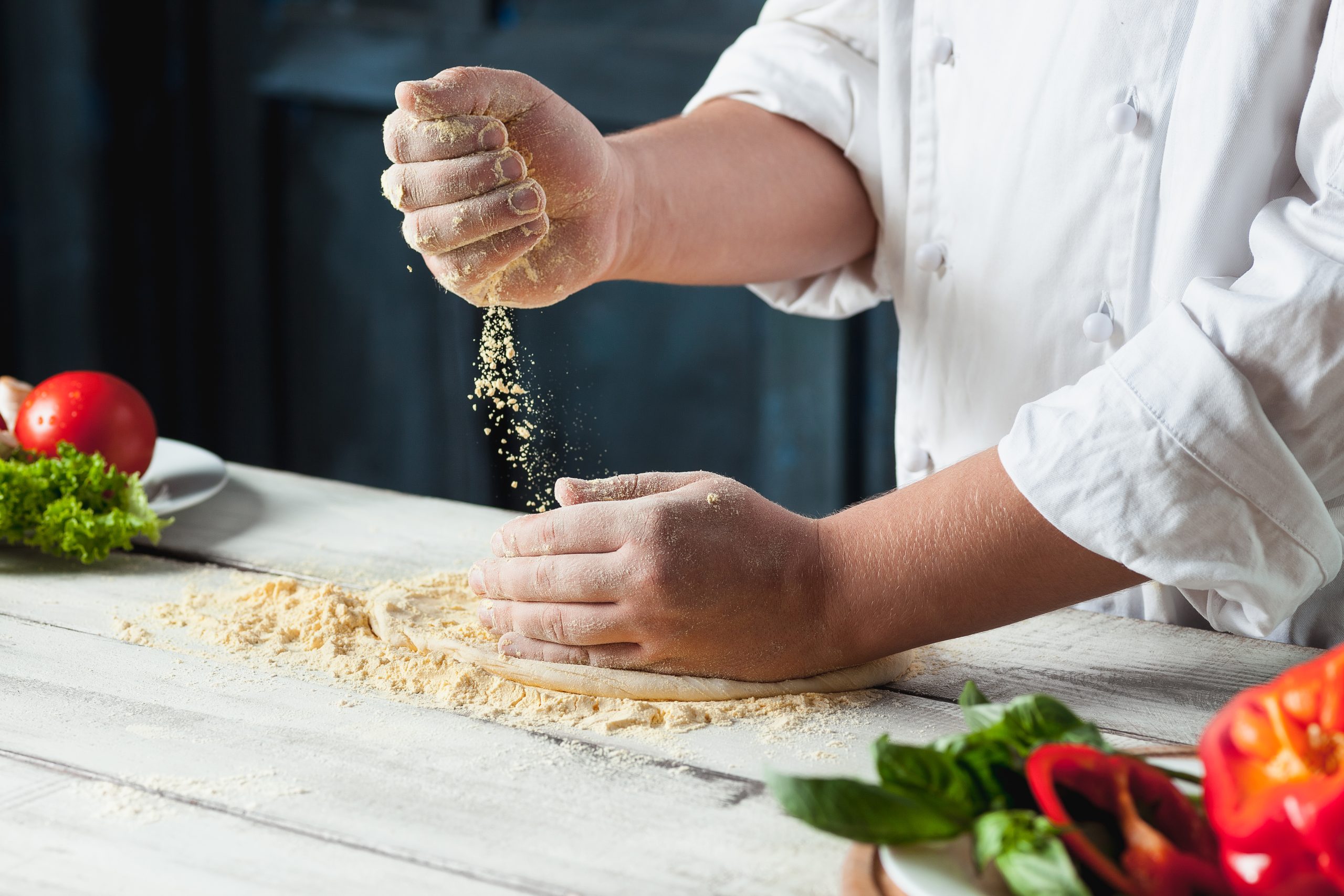
9. Powdered and Dusting Garnishes
Dusting is a simple but elegant technique.
You can use:
-
Powdered sugar on desserts
-
Cocoa powder on cakes
-
Paprika on deviled eggs
-
Cinnamon on coffee drinks
Use a small sieve for even distribution. Keep it light — too much can overpower the dish.
10. Keep It Minimal and Balanced
One of the biggest mistakes home cooks make is over-garnishing. Too many elements can make the plate look messy.
Remember:
-
Garnish should complement the dish.
-
Every garnish should be edible.
-
Less is more.
Focus on one or two thoughtful touches instead of decorating excessively.
11. Match Garnish with Flavor
The garnish should relate to the dish’s ingredients.
For example:
-
Use basil on tomato-based pasta.
-
Add chopped nuts to desserts that contain nuts.
-
Garnish curry with cilantro.
-
Use lemon slices with grilled fish.
This creates harmony between taste and presentation.
12. Clean the Plate Before Serving
Presentation matters. After garnishing, check the plate carefully.
-
Wipe away sauce spills.
-
Remove stray crumbs.
-
Adjust garnish placement if needed.
A clean plate instantly looks more professional and intentional.
Final Thoughts
Garnishing is not about complexity — it’s about thoughtful finishing touches. With fresh herbs, simple drizzles, colorful ingredients, and clean presentation, home cooks can easily elevate everyday meals.
The key principles are balance, color, texture, and simplicity. Start with small changes, practice regularly, and soon your dishes will look just as impressive as they taste. Remember, we eat with our eyes first — and a beautifully garnished plate makes every meal feel special.