



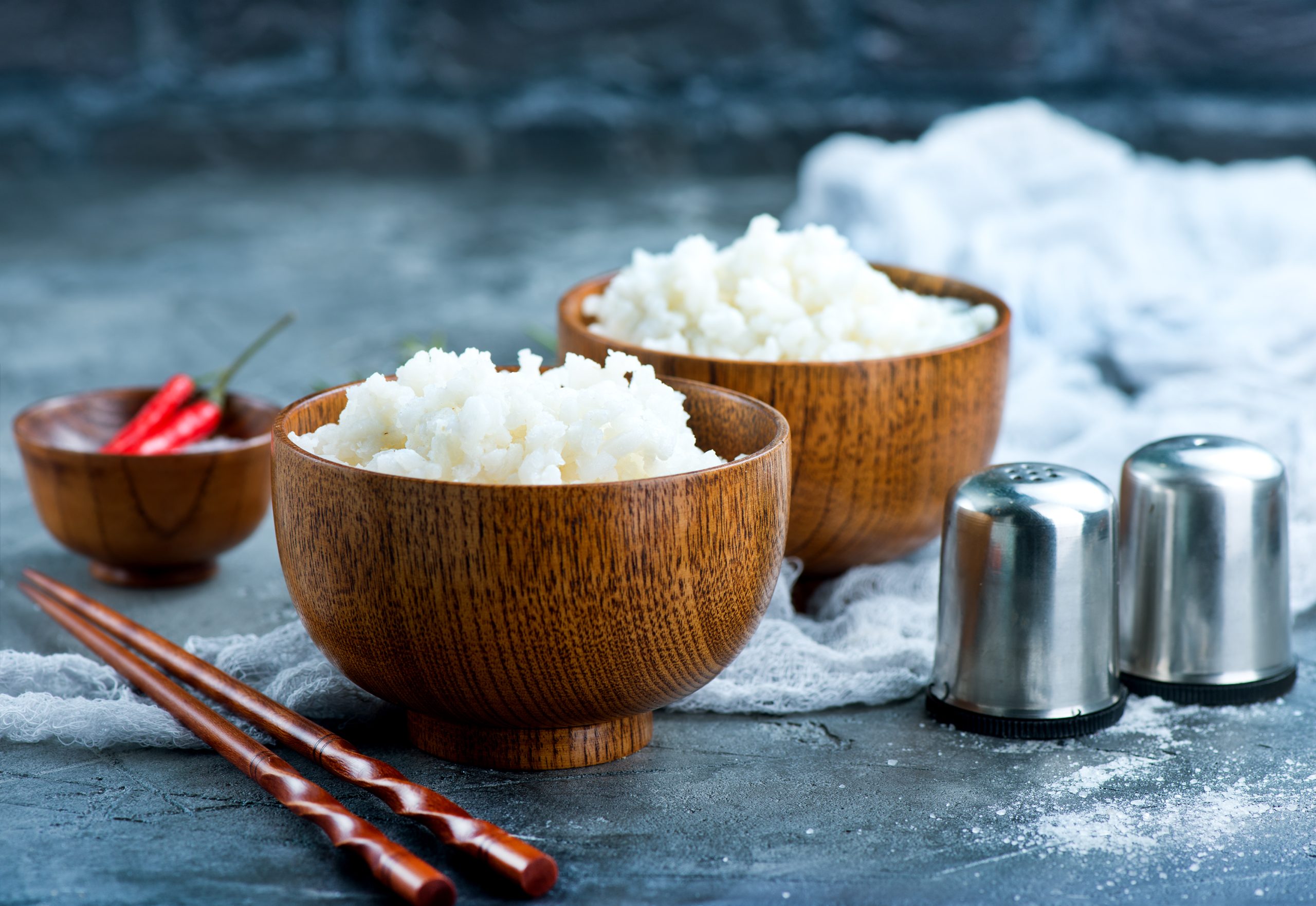
Rice is a staple in kitchens around the world, forming the base of countless dishes, from simple weeknight meals to festive spreads. While it seems simple, cooking rice perfectly can be surprisingly tricky. Overcooked, mushy, or undercooked rice can ruin an otherwise great meal.
In this guide, we’ll teach you step-by-step methods, essential tips, and tricks to cook rice that is fluffy, separate, and perfectly textured every time.
Why Perfect Rice Matters
-
Texture: Fluffy, separate grains elevate meals like curries, stir-fries, and biryanis.
-
Consistency: Mastering rice ensures predictable results for every dish.
-
Presentation: Well-cooked rice enhances the appearance of your plate.
-
Versatility: Proper rice can be used in a variety of cuisines and recipes.
Cooking rice perfectly is an essential skill for beginners and experienced cooks alike.
Step 1: Choose the Right Type of Rice
Different dishes call for different rice varieties. Common types include:
-
Long-grain rice (Basmati, Jasmine): Fluffy, separate grains ideal for biryani, pilaf, and stir-fries.
-
Medium-grain rice: Slightly sticky; great for risotto and paella.
-
Short-grain rice: Sticky and soft; perfect for sushi or rice puddings.
Selecting the right rice ensures you get the desired texture for your dish.
Step 2: Rinse the Rice
Rinsing rice removes excess starch and prevents clumping.
-
Place rice in a fine-mesh sieve or bowl.
-
Rinse under cold water until the water runs clear.
-
Drain well before cooking.
Rinsing leads to fluffy, non-sticky rice with separate grains.
Step 3: Measure Rice and Water Correctly
The rice-to-water ratio depends on the rice type:
-
Long-grain rice: 1 cup rice : 1¾ cups water
-
Medium-grain rice: 1 cup rice : 2 cups water
-
Short-grain rice: 1 cup rice : 2¼ cups water
Using the correct ratio is key to perfect texture. Too much water makes it mushy; too little leaves it undercooked.
Step 4: Add Flavor (Optional)
Enhance your rice with subtle flavorings:
-
Salt: A pinch or two enhances natural flavor.
-
Butter or oil: Adds richness and prevents sticking.
-
Broth: Substitute water with chicken, vegetable, or beef broth for extra flavor.
-
Herbs & spices: Bay leaf, cinnamon stick, or cardamom pods can add aroma to long-grain rice.
Flavoring rice elevates a simple side dish into something aromatic and flavorful.
Step 5: Cooking Methods
Stovetop Method:
-
Bring rice and water to a boil in a saucepan.
-
Reduce heat to low, cover tightly, and simmer:
-
Long-grain rice: 15–18 minutes
-
Medium-grain rice: 18–20 minutes
-
Short-grain rice: 20–25 minutes
-
-
Turn off heat and let rice rest covered for 5–10 minutes.
Absorption Method (Rice Cooker):
-
Add rinsed rice and water to the rice cooker.
-
Turn on and let it cook; the cooker automatically adjusts heat and timing.
-
Fluff with a fork before serving.
Microwave Method:
-
Combine rice and water in a microwave-safe bowl.
-
Cover with microwave-safe lid or plastic wrap (leave a small vent).
-
Cook on high for 10 minutes, then medium for 10 minutes.
-
Let sit for 5 minutes before fluffing.
Step 6: Fluff the Rice
After cooking, gently fluff the rice with a fork to separate grains and release steam. Avoid stirring aggressively, as this can make rice sticky.
Step 7: Common Rice Cooking Tips
-
Do not lift the lid during cooking; steam is essential for proper texture.
-
Use a tight-fitting lid to trap steam.
-
Adjust water slightly depending on altitude or rice brand.
-
Store leftover rice properly in an airtight container in the refrigerator for up to 3–4 days.
-
Reheat gently with a sprinkle of water to prevent dryness.
Step 8: Creative Uses for Perfect Rice
-
Serve with curries, stir-fries, or roasted meats.
-
Make fried rice or rice salads using leftover rice.
-
Use in rice puddings or stuffed peppers.
-
Pair with beans, vegetables, or sauces for a complete meal.
Perfectly cooked rice is versatile and elevates any dish, making it a foundational skill for home cooks.
Final Thoughts
Cooking rice perfectly is not complicated—it’s about choosing the right type, rinsing properly, measuring accurately, and using the correct cooking method. Whether you use a stovetop, rice cooker, or microwave, following these steps guarantees fluffy, separate, and delicious rice every time.
With practice, cooking rice becomes second nature, allowing you to confidently prepare a variety of meals. Master this simple but essential skill, and you’ll transform everyday dishes into restaurant-quality meals.
Perfect rice is the base of countless culinary creations, and learning to cook it well is a must for anyone looking to elevate their home cooking.