




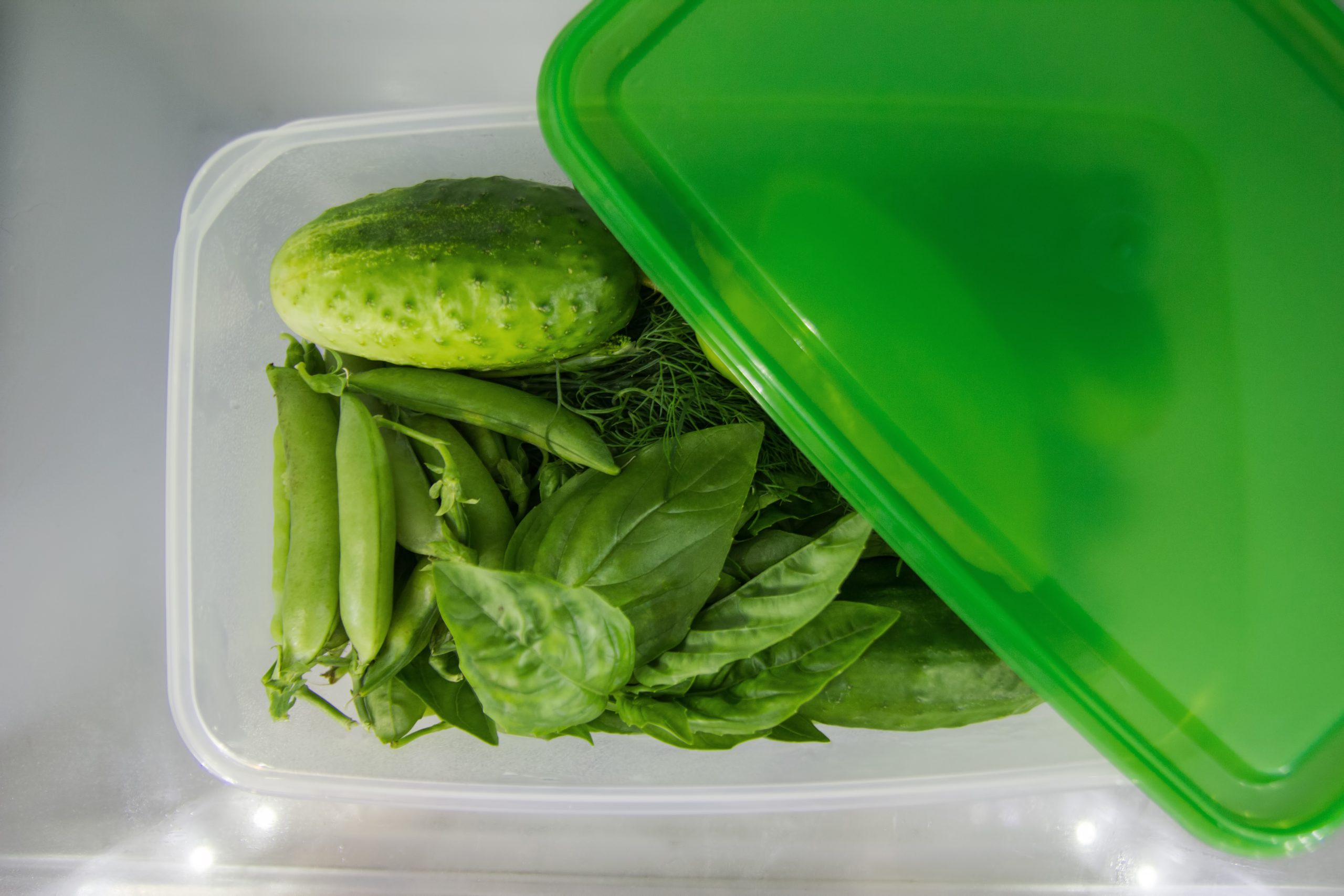
Fresh vegetables are the cornerstone of healthy meals, but they can spoil quickly if not stored properly. Wasting vegetables not only costs money but also reduces the nutritional value of your meals. Knowing how to store vegetables correctly ensures they remain fresh, crisp, and flavorful for longer.
In this guide, we’ll cover practical storage tips, ideal conditions, and common mistakes to help you maximize the shelf life of your vegetables.
Why Proper Vegetable Storage Matters
-
Preserves Nutrients: Fresh, well-stored vegetables retain vitamins, minerals, and antioxidants.
-
Reduces Waste: Extends shelf life and saves money.
-
Enhances Flavor and Texture: Maintains crispness, color, and taste.
-
Supports Meal Prep: Ready-to-use vegetables save time in cooking.
Proper storage turns your kitchen into a well-organized, waste-free space and ensures every meal is fresh and healthy.
1. Know Your Vegetables
Vegetables have different storage requirements depending on type, moisture content, and ripeness.
-
Leafy greens: Lettuce, spinach, and kale are perishable and require cool, humid storage.
-
Root vegetables: Carrots, beets, and radishes store longer in a cool, dark place.
-
Fruiting vegetables: Tomatoes, peppers, and cucumbers last longer at room temperature until fully ripe.
-
Alliums: Onions, garlic, and shallots prefer dry, ventilated storage away from light.
Understanding these categories ensures you store vegetables in the optimal conditions.
2. Keep Vegetables Dry
Moisture accelerates spoilage. Tips to control moisture:
-
Wash vegetables only before use, not before storage.
-
Pat leafy greens dry with paper towels after washing.
-
Store in perforated bags or containers that allow airflow.
Reducing excess moisture helps prevent mold, rot, and wilting.
3. Use the Refrigerator Wisely
The fridge is ideal for many vegetables, but temperature and placement matter:
-
Crisper drawers: Maintain humidity for leafy greens and vegetables like carrots, broccoli, and celery.
-
Separate ethylene-producing vegetables: Store tomatoes, peppers, and cucumbers away from ethylene-sensitive vegetables to prevent premature ripening.
-
Maintain consistent temperature: Avoid storing vegetables in the door where temperatures fluctuate.
Proper refrigeration keeps vegetables crisp, fresh, and nutrient-rich.
4. Store Vegetables at Room Temperature
Some vegetables do better outside the fridge:
-
Tomatoes: Keep stem-side down on the counter until ripe.
-
Potatoes and sweet potatoes: Store in a cool, dark, dry place, away from onions.
-
Squash and pumpkins: Last longer in a ventilated pantry or cupboard.
Room temperature storage is ideal for vegetables that lose flavor or texture in cold conditions.
5. Use Airtight Containers and Storage Bags
-
Store cut vegetables in airtight containers to prevent moisture loss.
-
Use perforated plastic bags for leafy greens to allow airflow while keeping humidity.
-
Label containers with date of storage to track freshness.
This method reduces oxidation and spoilage while keeping vegetables ready to use.
6. Blanch and Freeze
For long-term storage, freezing vegetables preserves freshness and nutrients:
-
Wash and cut vegetables, then blanch in boiling water for 1–3 minutes.
-
Cool immediately in ice water, drain, and store in airtight freezer bags.
-
Freeze vegetables like peas, beans, carrots, and spinach for months.
Freezing is ideal for meal prep and reducing waste.
7. Avoid Common Storage Mistakes
-
Storing ethylene-producing vegetables with sensitive ones.
-
Washing vegetables before storing.
-
Using closed plastic bags without ventilation.
-
Ignoring refrigerator temperature fluctuations.
-
Overcrowding storage spaces, reducing airflow.
Avoiding these mistakes prolongs shelf life and maintains quality.
8. Smart Storage Tips
-
Keep herbs fresh by trimming stems and placing in water like flowers, covered loosely with a plastic bag.
-
Wrap leafy greens in a damp paper towel inside a container or bag to retain moisture.
-
Check vegetables regularly for spoilage and remove any damaged items to prevent affecting others.
-
Rotate older vegetables to the front to use them first.
These tips help you maximize freshness while minimizing waste.
Final Thoughts
Storing vegetables properly is a simple yet essential skill for every home cook. By understanding each vegetable’s needs, controlling moisture, using the fridge wisely, and freezing when necessary, you can extend freshness, save money, and enhance meal quality.
Fresh, crisp vegetables are the key to delicious, nutritious meals. With these storage tips, you can enjoy healthy produce longer, reduce food waste, and simplify meal prep.
Investing a little time in proper storage ensures your vegetables stay vibrant, flavorful, and ready to cook whenever you need them.