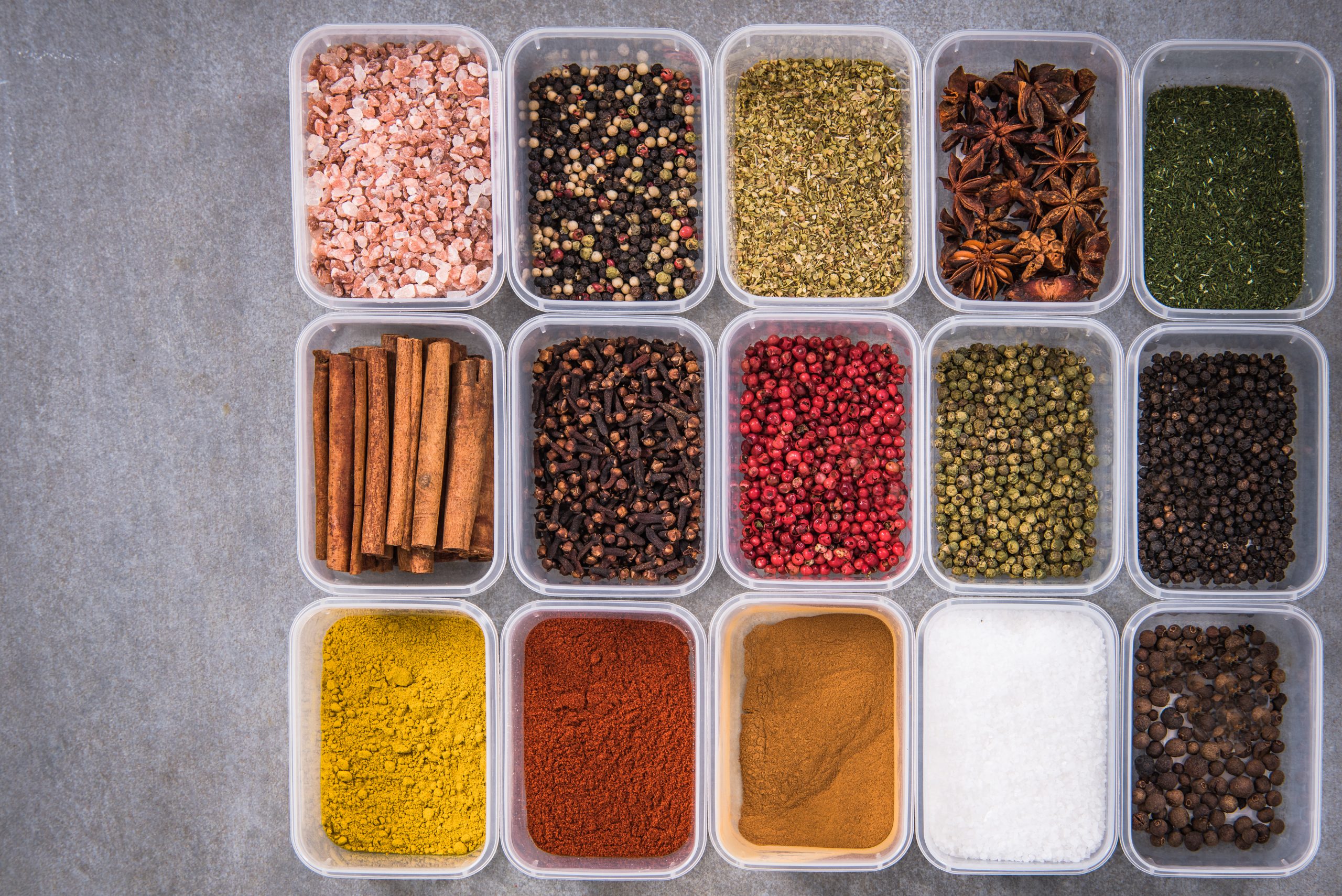






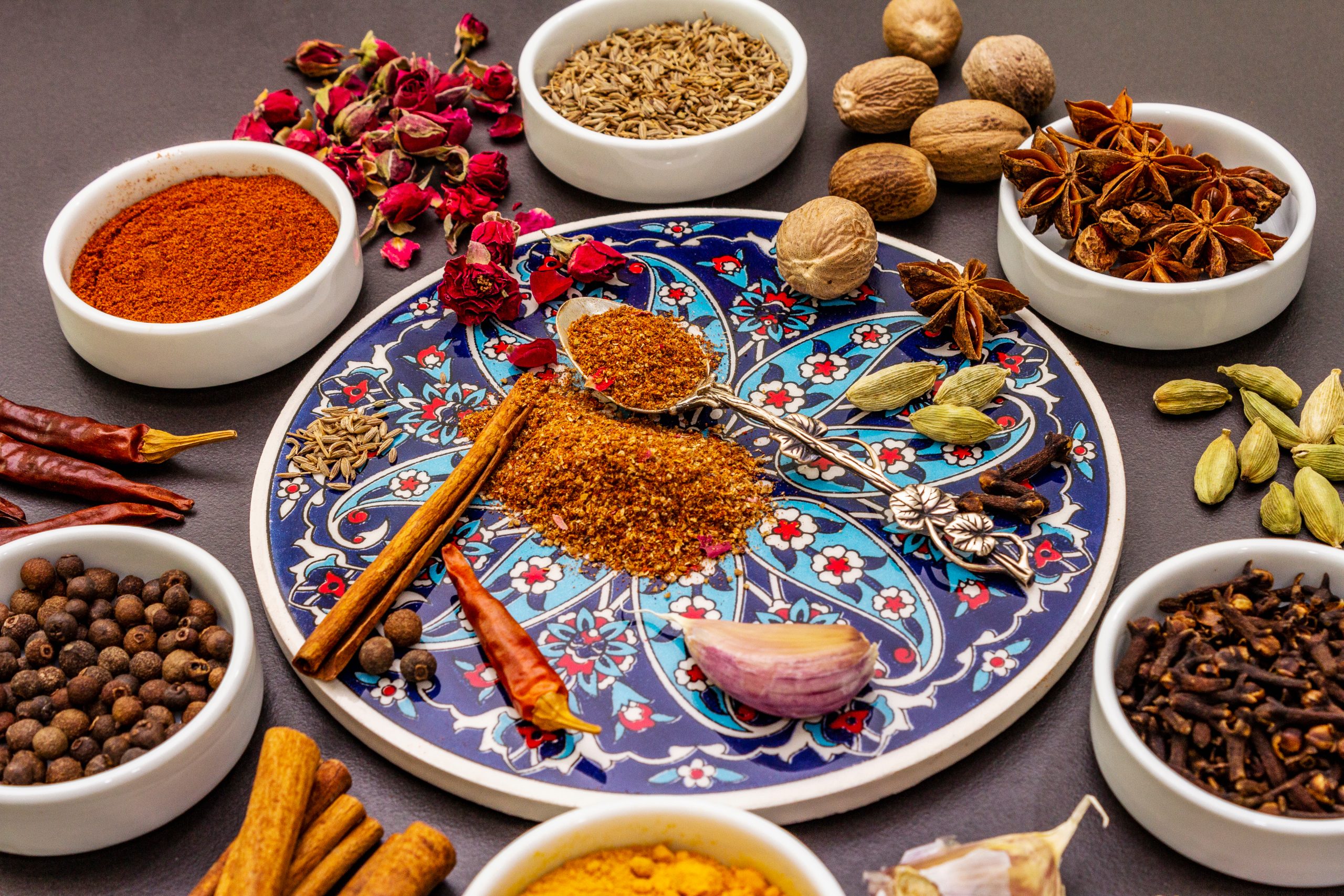
Pakistani cuisine is rich, aromatic, and full of depth — and at the heart of every delicious dish lies a carefully balanced blend of spices. From everyday curries to festive biryanis, spices are what give Pakistani food its signature warmth and complexity. If you’re new to Pakistani cooking or want to better understand your spice cabinet, this guide explains the essential Pakistani spices and how they’re used.
1. Haldi (Turmeric)
Haldi, or turmeric, is one of the most important spices in Pakistani kitchens. It has a vibrant yellow color and a warm, earthy flavor.
How it’s used:
-
Added to curries for color and mild bitterness
-
Used in lentil dishes (daal)
-
Mixed into rice and vegetable dishes
Turmeric is usually added early in cooking so it blends well with oil and onions. Besides flavor, it’s also valued for its traditional health benefits.
2. Lal Mirch (Red Chili Powder)
Red chili powder gives Pakistani food its heat and deep red color. It ranges from mild to very spicy depending on the variety.
How it’s used:
-
In curries like chicken karahi
-
Sprinkled over chaats
-
Added to marinades for kebabs
You can adjust the quantity depending on your spice tolerance. Kashmiri chili powder is often used for color with mild heat.
3. Dhania Powder (Coriander Powder)
Coriander powder is made from ground coriander seeds and has a slightly citrusy, nutty flavor.
How it’s used:
-
Base flavor in most curries
-
Added to meat and vegetable dishes
-
Blended into spice mixes
It balances heat from chili powder and adds subtle depth to gravies.
4. Zeera (Cumin Seeds)
Cumin is a staple spice in Pakistani cooking. It has a warm, smoky, and slightly peppery flavor.
Forms:
-
Whole cumin seeds
-
Ground cumin powder
How it’s used:
-
Tempered in hot oil at the start of cooking
-
Added to rice dishes like pulao
-
Used in yogurt sauces and raita
Toasting cumin seeds before grinding enhances their flavor.
5. Garam Masala
Garam masala is not a single spice but a blend. It typically includes:
-
Cumin
-
Coriander
-
Black pepper
-
Cloves
-
Cardamom
-
Cinnamon
Each household may have its own version.
How it’s used:
-
Sprinkled at the end of cooking
-
Added to curries for warmth
-
Used in biryani and korma
It adds a rich, aromatic finish to dishes.
6. Sabut Garam Masala (Whole Warm Spices)
These are whole spices used mainly in rice dishes and special curries.
Common examples:
-
Green cardamom
-
Black cardamom
-
Cloves
-
Cinnamon sticks
-
Bay leaves
How it’s used:
They are fried lightly in oil before adding other ingredients. This releases their aroma and flavors the oil deeply.
7. Ajwain (Carom Seeds)
Ajwain has a strong, thyme-like flavor and is used in small quantities.
How it’s used:
-
In parathas and fried snacks
-
In pakora batter
-
For digestive benefits
A pinch goes a long way due to its strong taste.
8. Rai (Mustard Seeds)
Mustard seeds are small but powerful.
How it’s used:
-
Tempered in hot oil
-
Added to pickles (achar)
-
Used in some regional curries
When heated, they pop and release a sharp, nutty flavor.
9. Methi (Fenugreek)
Fenugreek is used in both seed and dried leaf form.
Methi seeds:
-
Slightly bitter
-
Used in pickles and some curries
Kasuri methi (dried fenugreek leaves):
-
Crushed and sprinkled into butter chicken or karahi
-
Adds a unique restaurant-style aroma
Even a small amount can elevate a dish.
10. Saunf (Fennel Seeds)
Fennel seeds have a sweet, licorice-like flavor.
How it’s used:
-
In spice blends
-
In some meat dishes
-
In desserts and teas
They add subtle sweetness and aroma.
11. Black Pepper (Kali Mirch)
Before red chilies became common, black pepper was the main source of heat in South Asian cooking.
How it’s used:
-
In qorma and white gravies
-
In soups and broths
-
Freshly crushed for stronger flavor
It adds warmth without overpowering heat.
12. Chaat Masala
Chaat masala is a tangy spice blend made from:
-
Dried mango powder (amchur)
-
Black salt
-
Cumin
-
Coriander
-
Chili
How it’s used:
-
Sprinkled on fruit
-
Added to salads
-
Used in street-style snacks
It gives a sour, spicy kick.
How Pakistani Spices Work Together
Pakistani cooking is about layering flavors. Typically:
-
Whole spices are fried in oil.
-
Onions are browned.
-
Ground spices are added and cooked.
-
Tomatoes or yogurt are mixed in.
-
Garam masala is added at the end.
This step-by-step process builds deep, complex flavors.
Tips for Storing Spices
-
Keep spices in airtight containers.
-
Store away from heat and sunlight.
-
Buy whole spices when possible and grind fresh.
Fresh spices give stronger aroma and better taste.
Final Thoughts
Pakistani spices are the soul of the cuisine. Each spice has a specific role — some add heat, others bring aroma, color, sweetness, or depth. When used correctly, they create the bold and comforting flavors Pakistani food is known for.
Whether you’re cooking a simple daal or a festive biryani, understanding these essential spices will help you cook with confidence and authenticity. Start with the basics, experiment gradually, and soon your kitchen will be filled with the rich, inviting aromas of Pakistani cooking.