



Non-stick pans are some of the most useful tools in a home kitchen. Whether you’re frying eggs, sautéing vegetables, cooking fish, or making pancakes, a good non-stick pan makes the job easier, faster, and cleaner. For home cooks, choosing the right non-stick pan can improve meals and save time — no scraping, no stubborn burnt food, and easier cleanup.
In this guide, we’ll explore what to look for in non-stick pans, the different types available, and how to choose the best options for everyday home cooking.
Why Non-Stick Pans Matter
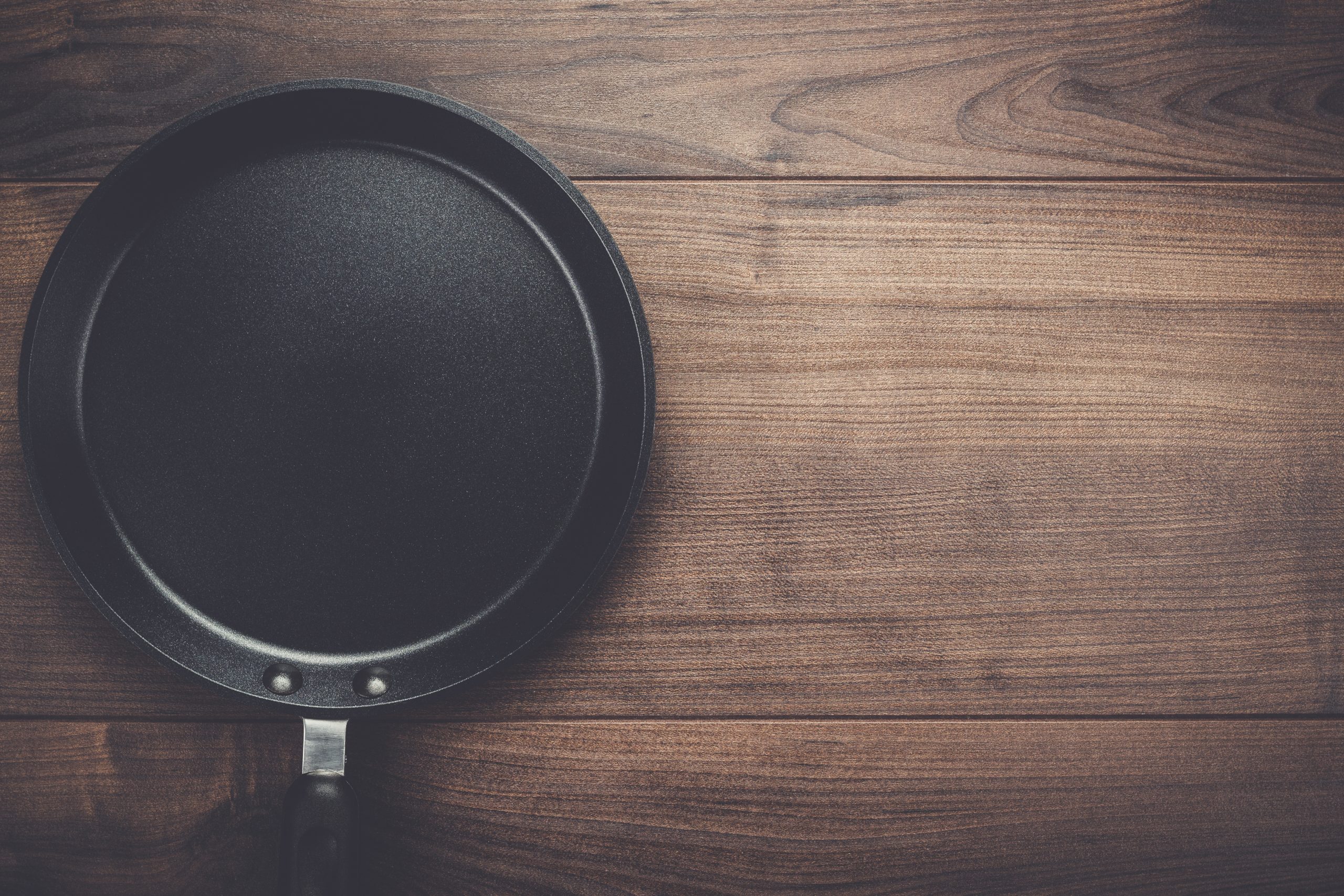
Non-stick pans have a special coating that prevents food from sticking, which means:
-
You need less oil or butter — great for healthier cooking
-
Food slides right off the pan
-
Cleaning up is quick and easy
-
Delicate foods like eggs and fish stay intact
Even seasoned cooks rely on non-stick cookware for specific tasks. Having the right pan in your kitchen can make routine cooking more enjoyable and stress-free.
Key Features to Look For
Before choosing a non-stick pan, here are some features that matter for home cooking:
1. Non-Stick Coating Quality
The coating determines how well food slides off and how long the pan lasts. Common types include:
-
PTFE (like Teflon): Excellent release, easy to clean.
-
Ceramic-based: Free of PTFE and often marketed as “green”; good for medium heat cooking.
-
Hard-anodized coatings: More durable and scratch-resistant with non-stick performance.
High-quality coatings resist peeling and scratching — a key factor for longevity.
2. Pan Material
The pan’s base affects heat distribution:
-
Aluminum: Heats quickly and evenly; common in non-stick pans.
-
Hard-anodized aluminum: Stronger and more durable than regular aluminum.
-
Stainless steel base with non-stick layer: Durable and often compatible with induction cooktops.
Good heat distribution prevents hot spots and ensures more even cooking.
3. Compatibility with Cooktops
Check if the pan works with your stove:
-
Gas and electric cooktops: Most non-stick pans work fine.
-
Induction cooktops: Require a magnetic base. Not all non-stick pans are induction compatible.
Make sure the pan you choose supports your cooktop type.
4. Handle Comfort and Safety
Comfortable, heat-resistant handles make cooking safer. Look for:
-
Ergonomic grip
-
Secure rivets or welded handles
-
Oven-safe handles if you want versatile use
A comfortable handle makes flipping and stirring easier.
5. Size Variety
A well-rounded kitchen typically includes:
-
8″–10″ skillet: Ideal for eggs, omelets, small meals
-
12″ skillet: Best for family meals, stir-fries, and larger dishes
Having at least two sizes maximizes flexibility.
Top Choices for Home Cooking
Here’s how to think about the best non-stick pans for different home cooking needs:
1. Everyday All-Purpose Pan
For most kitchens, a mid-size non-stick skillet (10″–12″) is the workhorse. It handles:
-
Eggs and omelets
-
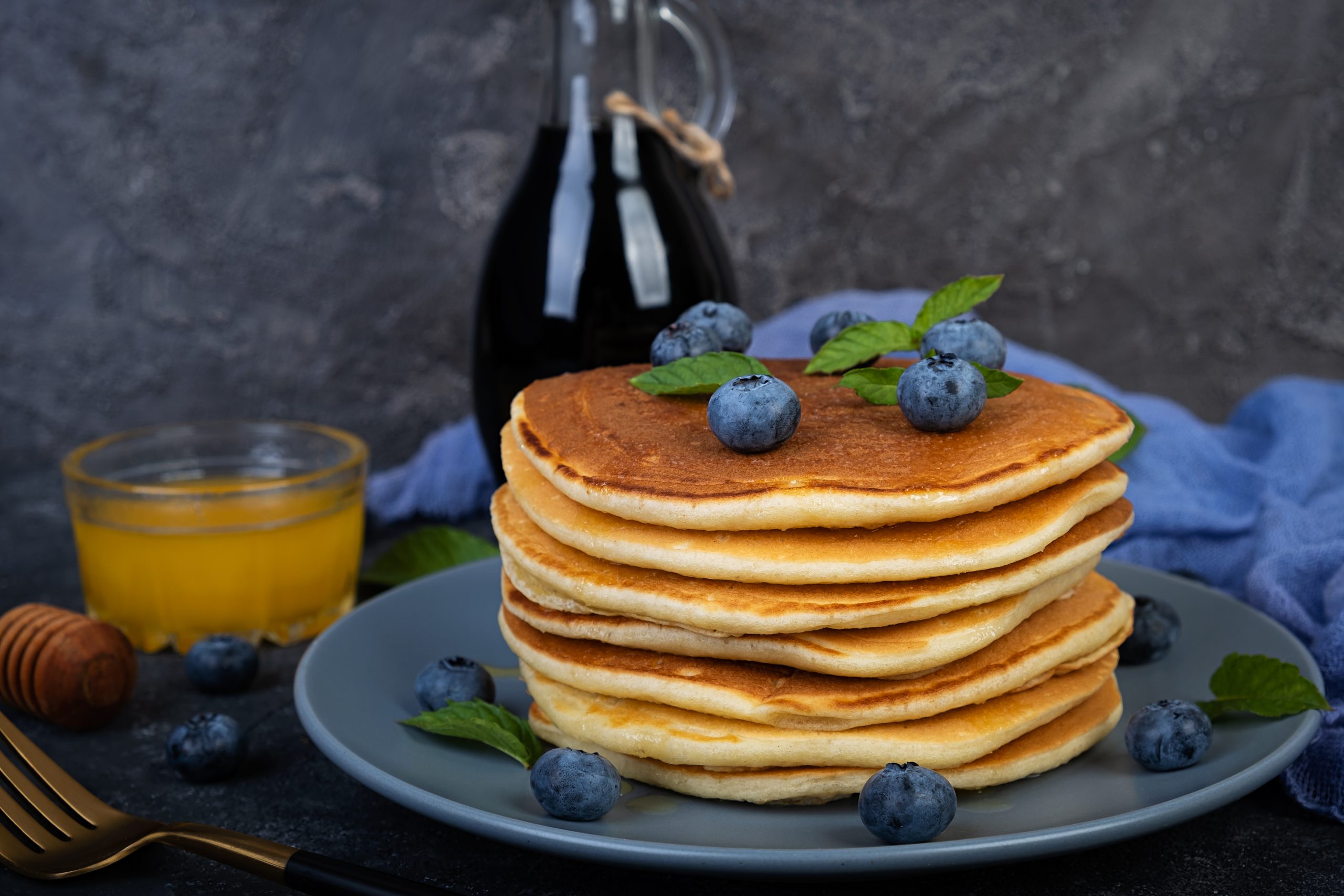
Pancakes
-
Stir-fried veggies
-
Sautéed chicken or fish
Choose one with even heat distribution, comfortable handle, and reliable coating.
2. Lightweight and Easy-to-Use Option
For simple daily cooking — like reheating leftovers or making breakfast — a lightweight, easy-to-handle pan is ideal. These are especially great for beginners or cooks who prefer quick, fuss-free cooking.
3. Ceramic-Coated Pan for Health-Minded Cooks
If you want to avoid PTFE or chemicals, ceramic-coated non-stick pans are a popular alternative. They work well at medium heat and are great for:
-
Delicate foods
-
Light sautéing
-
Low-fat cooking
Keep in mind that ceramic coatings may wear faster than PTFE over time, so gentle use and proper care are important.
4. Oven-Safe Pan for Versatility
Some non-stick pans are designed to go from stovetop to oven. If you like:
-
Frittatas
-
One-pan dinners
-
Finished dishes under the broiler
Check the pan’s oven temperature limit so you stay within safe use (often around 350°F–450°F depending on the handle).
Caring for Your Non-Stick Pans
Even the best non-stick pans last longer when you care for them properly. Follow these simple tips:
Use Wooden or Silicone Utensils
Avoid metal spatulas and forks — they can scratch the non-stick surface. Wooden, silicone, or nylon tools protect the coating.
Cook at Medium Heat
High heat can damage non-stick coatings over time. Most non-stick pans perform best at low to medium heat.
Avoid Cooking Sprays
Aerosol sprays can leave a sticky residue. Instead, use a small amount of oil or butter.
Hand Wash Gently
Dishwashers may wear down coatings. Washing by hand with a soft sponge and mild detergent helps preserve performance.
Store Carefully
Stacking pans can scratch coatings. Use pan protectors or place a soft cloth between pans if stacking is necessary.
Final Thoughts
Non-stick pans are essential for easy, enjoyable home cooking. They make everyday meals simpler and cleanup a breeze. When choosing the best non-stick pan, focus on coating quality, heat distribution, comfortable handles, and the sizes that fit your cooking style.
Whether you’re flipping perfect omelets, sautéing vegetables, or cooking family dinners, a good non-stick pan is a kitchen staple you’ll reach for again and again. With the right choice and proper care, your non-stick cookware will serve you well for years — making home cooking easier, faster, and more delicious.