



When it comes to serving food, presentation matters just as much as taste. Whether you’re running a catering business, managing a restaurant, or simply cooking at home, beautifully plated food instantly elevates the dining experience. The good news? You don’t need to be a five-star chef to plate like one. With a few simple techniques and thoughtful details, you can make any dish look refined and professional.
Here are practical and easy plating ideas that can transform ordinary meals into visually stunning creations.
1. Start with the Right Plate
The plate is your canvas. Choosing the right one makes a huge difference.
-
White plates are a classic choice because they make colors pop.
-
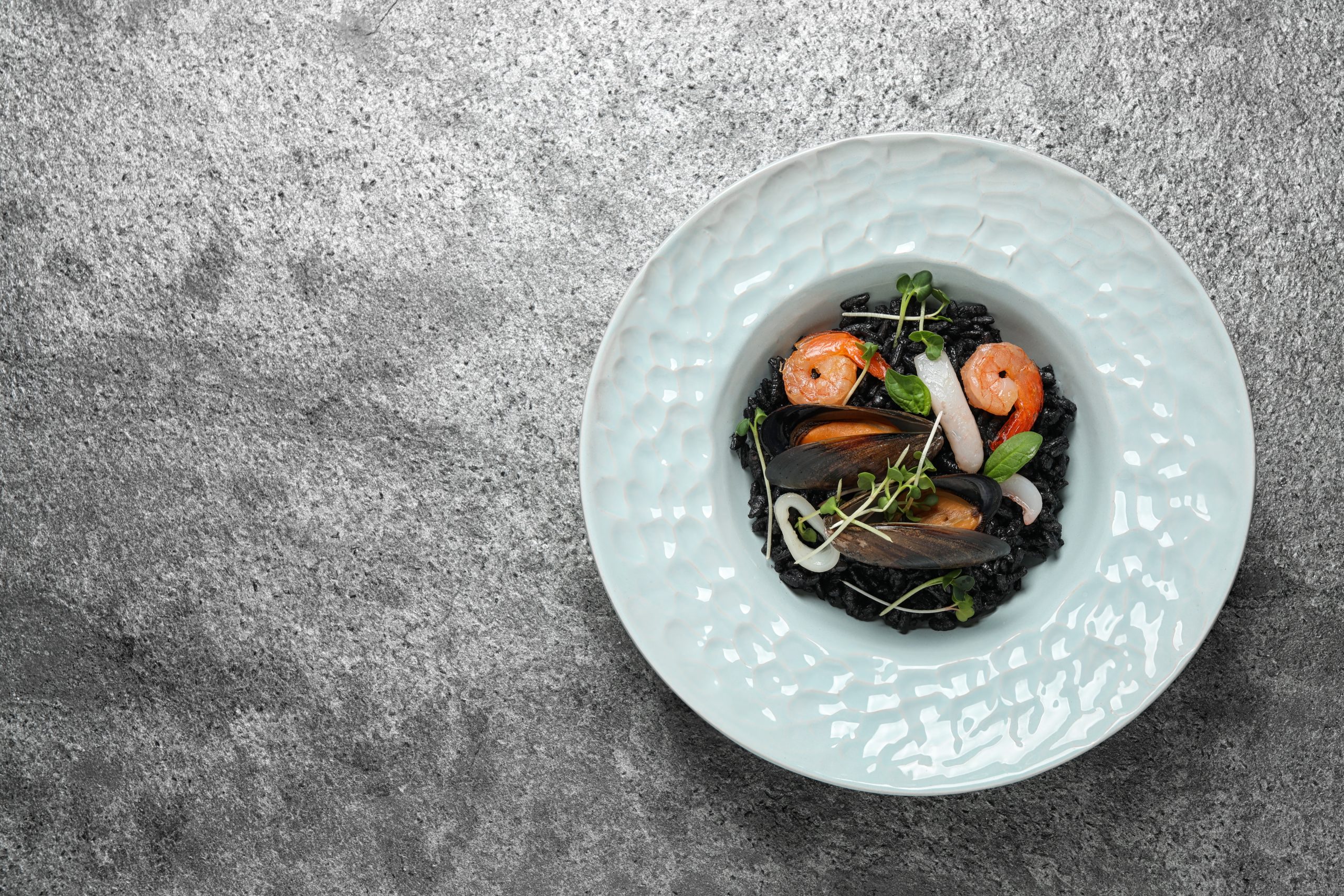
Large plates with wide rims create negative space, which looks elegant.
-
Avoid overcrowding small plates.
Round plates are traditional, but square or matte-finish plates can give a modern touch. The key is to ensure the plate complements the food without overpowering it.
2. Use the Rule of Thirds
Professional chefs often use the “rule of thirds” when plating. Instead of placing food directly in the center, position the main element slightly off-center. This creates visual interest and balance.
For example:
-
Place protein at the front or slightly to one side.
-
Arrange vegetables neatly alongside it.
-
Spoon sauce strategically instead of pouring it everywhere.
This simple adjustment instantly makes the plate look more intentional.
3. Focus on Height and Layers
Flat food looks boring. Adding height makes dishes appear dynamic and restaurant-style.
Ways to add height:
-
Stack sliced meat slightly instead of laying it flat.
-
Place mashed potatoes or rice in a small ring mold.
-
Lean components against each other.
Even something as simple as layering grilled vegetables under chicken adds dimension. Height gives structure and sophistication.
4. Control Your Portions
Professional plating is about balance. Too much food makes the plate look messy, while too little makes it look incomplete.
Follow these basic proportions:
-
1 main protein
-
1–2 complementary sides
-
A small garnish or sauce element
Leave some empty space on the plate. Negative space is not wasted space — it highlights the food.
5. Wipe the Edges Clean
This is one of the simplest yet most important tips.
After plating, always:
-
Check for sauce splashes.
-
Remove crumbs from the rim.
-
Wipe edges with a clean cloth.
Clean edges instantly make the dish look polished and professional.
6. Use Sauce Creatively
Instead of pouring sauce over everything, try more refined techniques:
-
Use a spoon to create a swoosh.
-
Drizzle lightly in a zigzag pattern.
-
Dot small drops around the plate.
-
Serve sauce underneath the protein for a clean look.
You don’t need fancy tools. The back of a spoon works perfectly for spreading sauces in elegant shapes.
7. Add Color Contrast
A professional plate always has color contrast.
For example:
-
Pair golden-brown chicken with bright green vegetables.
-
Add red cherry tomatoes to a creamy pasta.
-
Sprinkle fresh herbs for a pop of green.
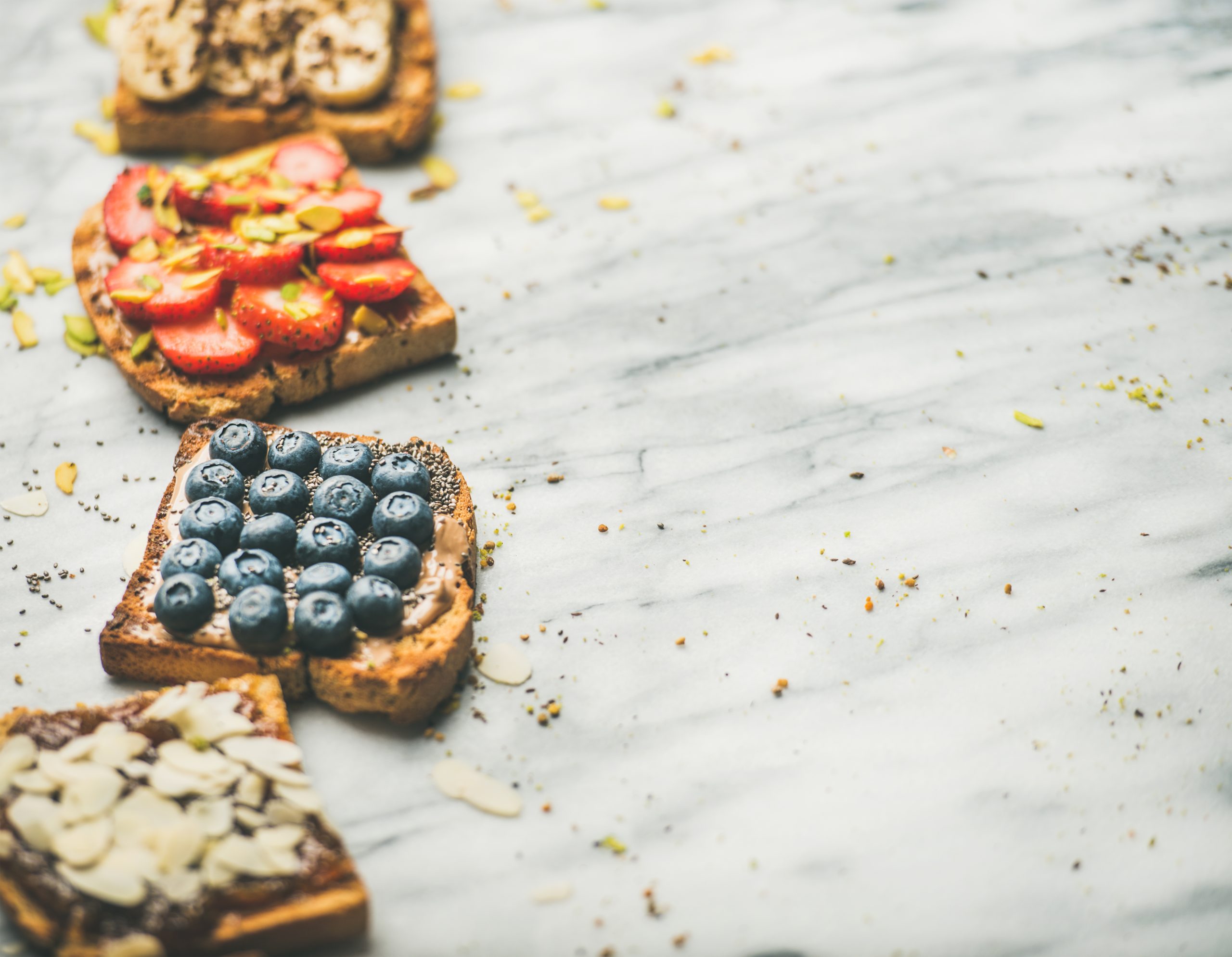
Avoid serving dishes that are all one color (like beige or brown). A small colorful garnish can make a huge difference.
8. Garnish with Purpose
Garnishes should enhance the dish, not distract from it.
Good garnish ideas:
-
Fresh herbs (parsley, basil, cilantro)
-
Microgreens
-
Lemon zest
-
Cracked black pepper
-
Edible flowers (for special occasions)
Avoid random garnishes that don’t match the flavor. Every element on the plate should be edible and relevant.
9. Use Simple Tools at Home
You don’t need professional kitchen equipment. Basic tools can help you plate beautifully:
-
Ring molds (or clean food cans with both ends removed)
-
Squeeze bottles for sauces
-
Offset spatula
-
Tweezers for precise placement
These tools make plating easier and more controlled.
10. Keep It Minimal
Less is more.
Many beginners make the mistake of overcrowding plates with too many decorations. A professional look often comes from simplicity and clean structure.
Focus on:
-
One strong focal point
-
Balanced composition
-
Clean presentation
-
Subtle garnish
Minimal plating looks modern and elegant.
11. Think About Texture
Texture makes food visually appealing.
Combine:
-
Crispy + creamy
-
Smooth + crunchy
-
Soft + grilled
For example, add toasted nuts on a creamy dessert or crispy fried onions on mashed potatoes. Texture variation enhances both appearance and taste.
12. Practice Consistency
If you’re serving multiple guests, consistency is key. Every plate should look similar in portion, placement, and garnish.
Before serving:
-
Step back and observe the plate.
-
Adjust placement if needed.
-
Ensure balance and symmetry.
With practice, plating becomes faster and more natural.
Final Thoughts
Professional plating doesn’t require expensive ingredients or advanced culinary training. It’s about attention to detail, thoughtful arrangement, and clean presentation. By focusing on balance, height, color, and simplicity, you can turn everyday meals into restaurant-quality dishes.
Remember: we eat with our eyes first. When food looks beautiful, it automatically feels more delicious and special. Start applying these simple plating techniques today, and watch your dishes transform from ordinary to impressive.