




Cooking at home can be fun, creative, and rewarding, but it can also feel overwhelming without the right knowledge. Whether you’re a beginner learning your way around the kitchen or an experienced cook looking to refine your skills, having practical cooking tips and guides can make a huge difference. From improving techniques to saving time and enhancing flavors, these insights help you cook smarter, faster, and more deliciously.
In this blog, we’ll share essential cooking tips, handy guides, and expert tricks to help you master home cooking and create meals that impress.
1. Start with Fresh Ingredients
The foundation of any great meal is fresh, high-quality ingredients. Fresh vegetables, meats, and spices enhance flavors naturally and elevate your dishes. Tips include:
-
Choose seasonal produce for better taste and nutrition.
-
Check meat for freshness and proper color.
-
Use fresh herbs instead of dried for vibrant flavor, when possible.
Fresh ingredients make cooking easier and more flavorful, requiring fewer artificial enhancements.
2. Keep Your Kitchen Organized
An organized kitchen saves time and reduces stress while cooking. Some strategies include:
-
Arrange utensils, pots, and pans for easy access.
-
Keep spices, oils, and frequently used ingredients within reach.
-
Prepare a mise en place – gather and measure ingredients before cooking.
A tidy kitchen makes the cooking process more efficient and enjoyable.
3. Master Basic Techniques
Understanding basic cooking techniques is key to improving your dishes. Focus on:
-
Chopping and slicing: Uniform pieces ensure even cooking.
-
Sautéing: Quick cooking with high heat for flavor development.
-
Boiling, steaming, and roasting: Know which method suits your ingredient.
-
Seasoning: Taste and adjust gradually to avoid over- or under-seasoning.
Practicing these techniques helps you cook confidently and consistently.
4. Use the Right Tools
Having the right kitchen tools makes cooking easier and more precise. Essential tools include:
-
Sharp knives for clean cuts and safer chopping.
-
Non-stick or cast-iron pans for better cooking control.
-
Measuring cups and spoons for accuracy.
-
Mixing bowls, spatulas, and whisks for proper mixing.
Using proper tools ensures even cooking and professional results.
5. Understand Flavors and Seasoning
Flavor is the heart of any dish. Some tips to enhance taste:
-
Layer flavors: Add ingredients at different stages to build depth.
-
Balance tastes: Combine salty, sweet, sour, and umami elements.
-
Fresh herbs and spices: Add at the right stage to preserve aroma.
-
Acidic ingredients: Lemon juice or vinegar can brighten flavors.
Learning to season correctly transforms ordinary meals into exceptional ones.
6. Time-Saving Cooking Tips
Cooking doesn’t always have to be time-consuming. Try these hacks:
-
Prep ingredients in advance: Chop vegetables or marinate meat ahead of time.
-
Use one-pot or sheet-pan meals: Save cleanup time and cook evenly.
-
Freeze leftovers: Make extra portions to save time later.
-
Multitask smartly: Cook rice or pasta while preparing sauce.
Efficient cooking lets you spend more time enjoying your meal rather than stressing over preparation.
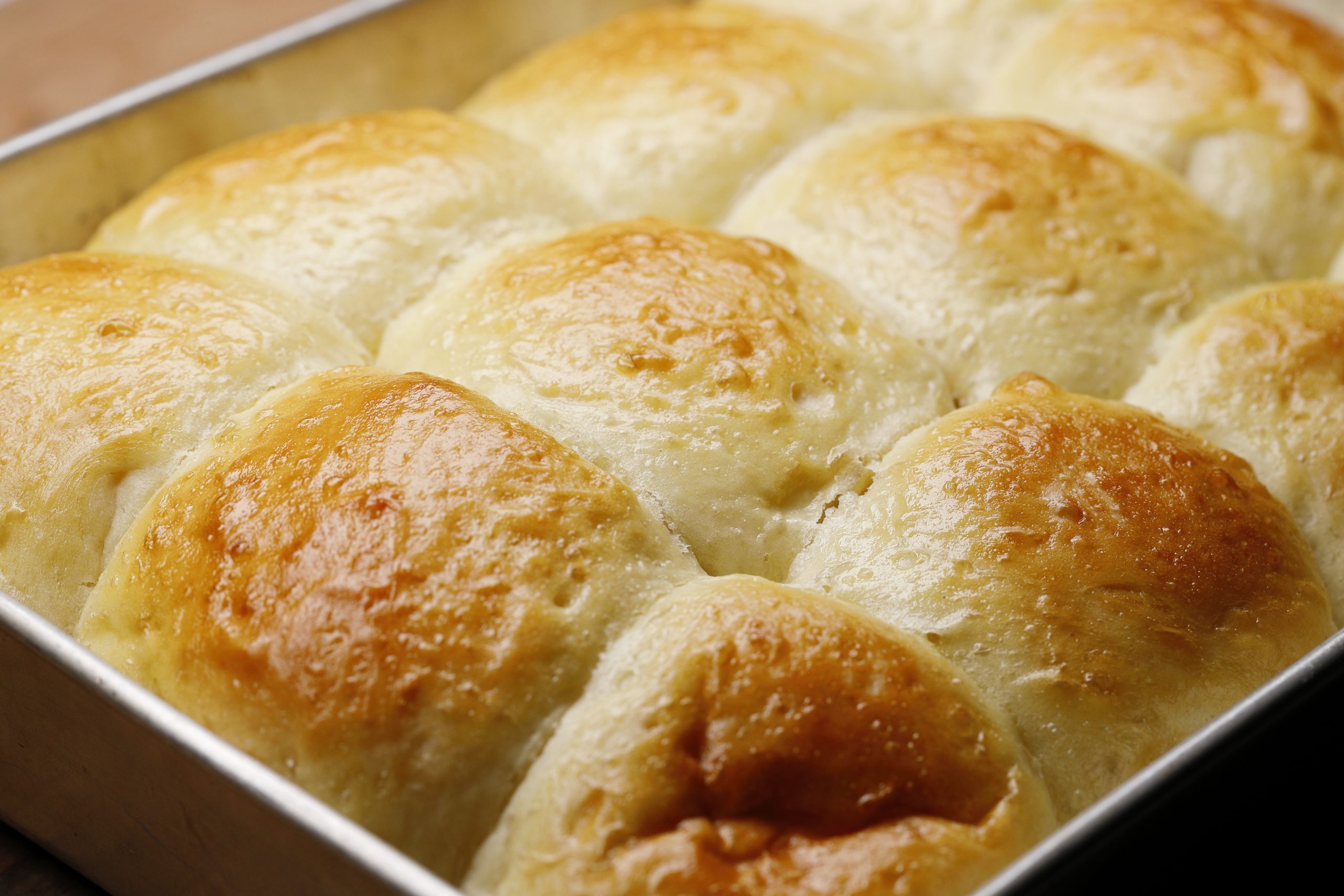
7. Baking and Cooking Precision
Baking is a science, and precision matters. Tips for success:
-
Measure ingredients accurately using cups, spoons, or a kitchen scale.
-
Follow baking times carefully and adjust based on your oven.
-
Preheat pans and ovens for consistent results.
-
Avoid opening the oven frequently, which can alter temperature.
With precision, homemade baked goods turn out tender, fluffy, and perfectly cooked.
8. Experiment and Customize
Don’t be afraid to experiment. Cooking is as much about creativity as it is about technique.
-
Substitute ingredients to suit dietary needs.
-
Adjust spices and herbs to your taste.
-
Try new cooking methods or cuisines.
-
Mix flavors to create your signature dish.
Experimentation encourages creativity, confidence, and personal style in the kitchen.
9. Learn from Mistakes
Even experienced cooks make mistakes. The key is to learn and adapt.
-
Keep notes on what works and what doesn’t.
-
Taste often during cooking to adjust flavors.
-
Don’t be afraid to try again and improve.
Mistakes help you grow as a cook and develop intuition for ingredients and flavors.
Final Thoughts
Cooking is both an art and a science, and mastering it requires practice, patience, and guidance. Following these cooking tips and guides helps you prepare meals that are flavorful, efficient, and impressive.
From fresh ingredients and proper techniques to time-saving strategies and flavor mastery, these tips make home cooking accessible, fun, and rewarding. Whether you’re a beginner or an experienced cook, applying these tips will enhance your culinary skills and elevate your everyday meals.
Remember, great cooking isn’t just about following recipes—it’s about understanding flavors, techniques, and creativity, so you can confidently prepare delicious meals for yourself, family, and friends.