



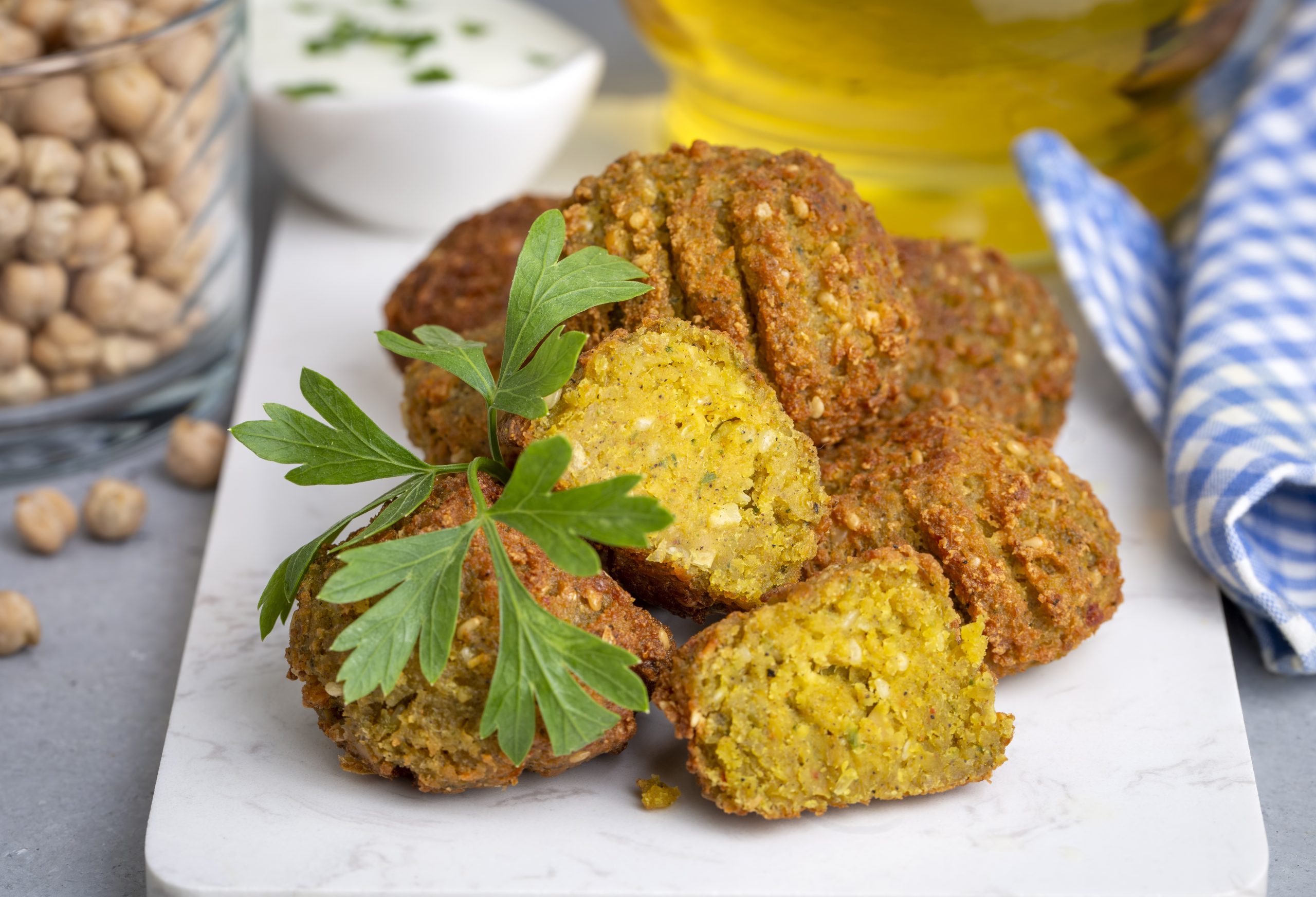
Falafel is one of the most popular Middle Eastern snacks, known for its golden, crispy exterior and soft, flavorful interior. Traditionally made from chickpeas or fava beans, falafel is naturally vegetarian, packed with protein and fiber, and bursting with aromatic spices. Making falafel at home may seem intimidating, but with the right technique, you can achieve restaurant-quality results—crispy on the outside and tender on the inside.
In this blog, we’ll guide you through an easy step-by-step falafel recipe, perfect for wraps, salads, or as a standalone snack.
Why Homemade Falafel Is Worth It
Store-bought falafel often lacks freshness or can be soggy from pre-frying. Homemade falafel allows you to:
-
Control the spices and salt
-
Ensure crispy texture without being greasy
-
Make them fresh for wraps, salads, or appetizers
-
Customize with fresh herbs and seasonings
Once you master this recipe, you’ll be able to make falafel that rivals your favorite Middle Eastern restaurant.
Ingredients You’ll Need
-
1 ½ cups dried chickpeas (soaked overnight) or 1 can (400g) chickpeas, drained and rinsed
-
1 small onion, roughly chopped
-
3 cloves garlic
-
½ cup fresh parsley leaves
-
½ cup fresh cilantro leaves
-
1 teaspoon ground cumin
-
1 teaspoon ground coriander
-
½ teaspoon cayenne pepper (optional for heat)
-
½ teaspoon baking powder
-
Salt and black pepper to taste
-
3–4 tablespoons all-purpose flour (or chickpea flour)
-
Vegetable oil for frying
Step 1: Soak the Chickpeas
If using dried chickpeas, soak them in plenty of water overnight or for at least 12 hours. Soaking softens the chickpeas and helps achieve a tender inside while keeping the exterior crispy.
Tip: Do not use canned chickpeas for deep frying—they’re too soft and may fall apart.
Step 2: Prepare the Falafel Mixture
Drain the soaked chickpeas and pat dry. In a food processor, combine chickpeas, onion, garlic, parsley, cilantro, cumin, coriander, cayenne, salt, and pepper. Pulse until the mixture forms a coarse, slightly sticky paste.
Add baking powder and flour, then pulse again briefly. The mixture should hold together when formed into a ball but not be too wet.
Step 3: Shape the Falafel
Using your hands or a falafel scoop, form the mixture into small balls or patties, about 1.5 inches in diameter. Avoid making them too large, as smaller falafel fry more evenly and stay crispy on the outside.
Step 4: Fry the Falafel
Heat about 1–2 inches of vegetable oil in a deep pan over medium-high heat. To test the oil, drop a small piece of falafel—if it sizzles immediately, the oil is ready.
Carefully place falafel balls in the hot oil, frying in batches to avoid overcrowding. Fry for 3–4 minutes on each side or until golden brown and crispy. Remove with a slotted spoon and drain on paper towels.
Tip: Maintain medium-high heat; too low, and falafel becomes greasy; too high, and they burn before cooking inside.
Step 5: Serve Your Falafel
Falafel is versatile and can be enjoyed in multiple ways:
-
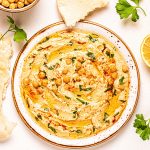
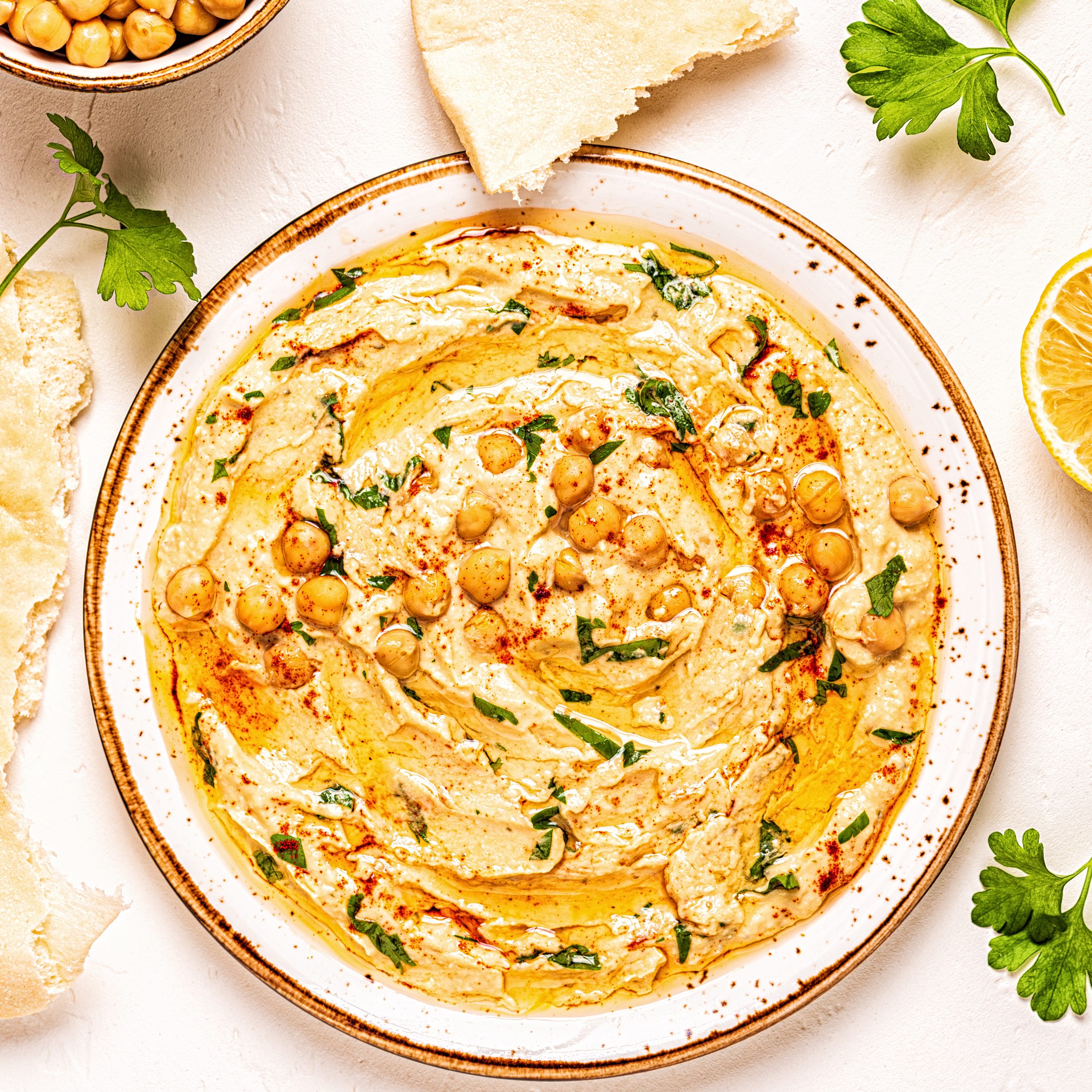
In Wraps: Stuff into pita bread with hummus, tahini, and fresh vegetables.
-
As a Salad Topping: Serve on a bed of greens with cucumbers, tomatoes, and tahini dressing.
-
As an Appetizer: Serve hot with yogurt or garlic sauce for dipping.
Tips for Perfect Falafel
-
Use Fresh Herbs: Parsley and cilantro add flavor and moisture.
-
Don’t Overprocess: The mixture should be coarse, not smooth like hummus.
-
Test a Small Batch: Fry one falafel first to check seasoning and texture.
-
Keep Oil Hot: Frying at the right temperature ensures crispiness.
-
Serve Immediately: Falafel tastes best hot and fresh; if needed, reheat in a hot oven to maintain crispiness.
Health Benefits
Falafel is naturally plant-based and high in protein, fiber, and vitamins. Using fresh herbs and minimal oil makes it a nutritious alternative to fried snacks. Pairing falafel with vegetables and whole-grain bread adds more nutrients, making it a wholesome meal.
Flavor Variations
-
Spicy Falafel: Add chili flakes or fresh green chilies to the mixture.
-
Baked Falafel: For a healthier option, bake at 200°C (400°F) for 20–25 minutes, flipping halfway.
-
Stuffed Falafel: Add a piece of cheese or olive inside for a surprise center.
Final Thoughts
Making falafel at home may seem intimidating, but it’s easier than you think. With soaked chickpeas, fresh herbs, and the right frying technique, you can achieve falafel that’s crispy outside, soft inside, and bursting with flavor.
Whether you enjoy it in wraps, salads, or as a standalone snack, homemade falafel is healthy, delicious, and sure to impress your family and friends. Once you try this recipe, you’ll never want to rely on store-bought falafel again.